“We used to spend 40% of our sales cycle just creating quotes. Now our AI CPQ handles complex configurations in minutes while I focus on actually selling.” – VP of Sales at a large organization.
That quote hits home for thousands of B2B sales professionals drowning in spreadsheets, manual pricing calculations, and endless approval chains. If you’re reading this, chances are you’ve felt that pain too.
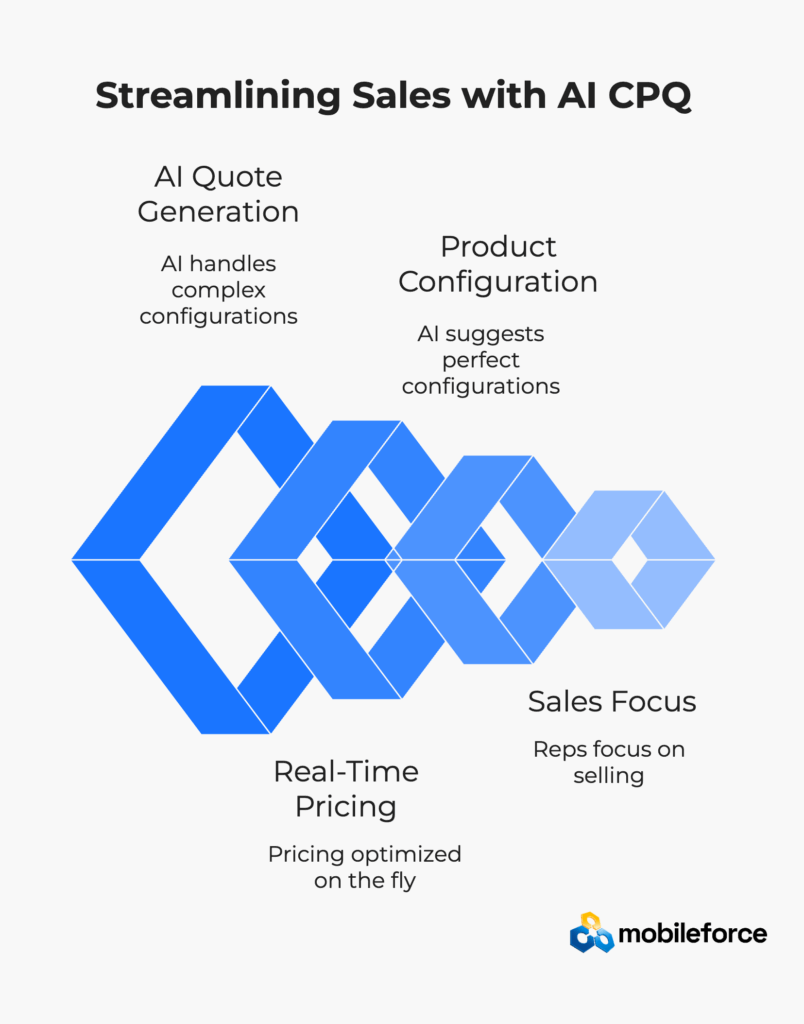
The Configure Price Quote (CPQ) landscape has undergone a seismic shift in 2026. What once required armies of sales engineers and weeks of back-and-forth negotiations now happens in real-time, powered by AI poweredquote configuration pricing that learns from every deal, optimizes pricing on the fly, and even suggests the perfect product configurations. Whether you’re exploring top CPQ software options for the first time or re-evaluating your current stack heading into 2026, this guide covers what matters most.
But here’s the million-dollar question: with so many CPQ software providers flooding the market, which one actually delivers on its promises? More importantly, which best CPQ software option fits your specific B2B sales process like a glove?
After analyzing dozens of platforms, interviewing sales leaders across industries, and diving deep into real-world implementations, we’ve uncovered the truth about today’s top CPQ solutions. We’ve compared leading CPQ software vendors, evaluated cloud-based CPQ platforms, and assessed enterprise CPQ software deployments to give you an honest, experience-backed view. Spoiler alert: the answer isn’t as straightforward as you might think.
Remember when creating a complex B2B quote meant juggling multiple spreadsheets, checking pricing tables, and playing phone tag with product specialists? Those days are becoming as outdated as fax machines.
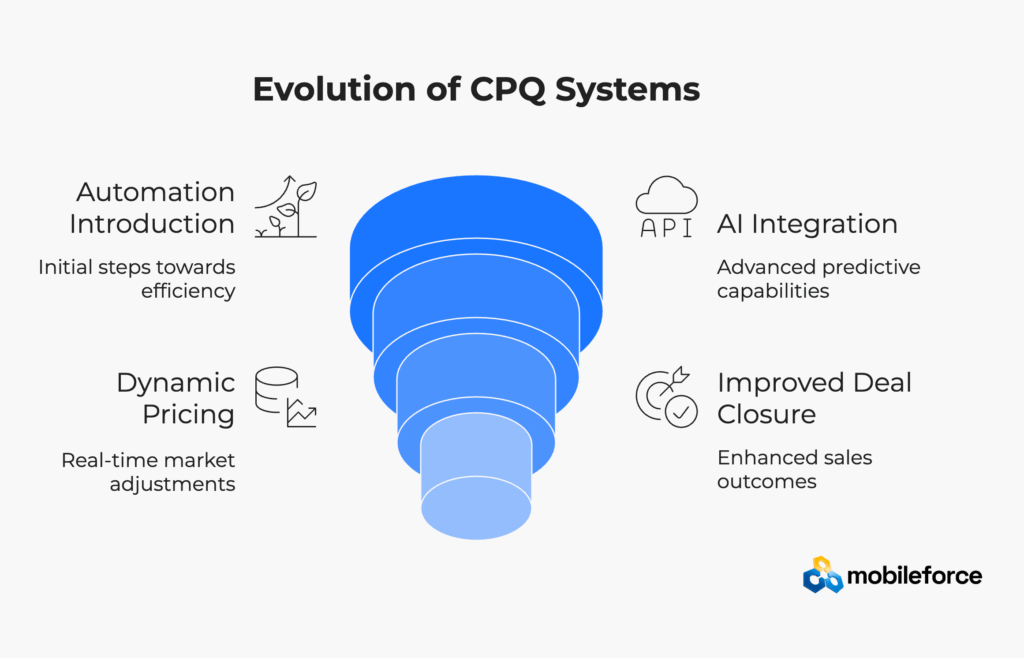
The best CPQ software 2026 doesn’t just automate—it anticipates. These AI powered CPQ solutions 2026 analyze historical deal patterns, predict customer preferences, and dynamically adjust pricing based on market conditions, competitor intelligence, and individual buyer behavior.
The numbers tell the story. Companies implementing AI CPQ software report average quote generation time reductions of 75%, while deal closure rates jump by an average of 23%. But here’s what the statistics don’t capture: the psychological relief of sales teams finally freed from administrative quicksand.
Traditional CPQ systems were built for a simpler world—one where product catalogs were smaller, pricing was more static, and buyers had patience for lengthy sales cycles. That world doesn’t exist anymore.
Modern B2B buyers expect Amazon-like experiences. They want instant quotes, real-time customizations, and pricing that adapts to their specific needs. They’re researching solutions on mobile devices during lunch breaks, comparing options across multiple vendors simultaneously, and making preliminary decisions before your sales team even knows they exist.
AI quoting software for B2B sales addresses these realities head-on. Instead of rigid rule-based systems that break under complexity, advanced CPQ software learns and adapts. It understands context, recognizes patterns that humans miss, and makes intelligent recommendations that actually improve deal outcomes. This is a core reason why CPQ AI has emerged as the decisive differentiator between high-performing sales organizations and those still stuck in manual quoting loops.
Let’s cut through the marketing noise. True AI-powered CPQ for B2B isn’t just traditional software with a chatbot slapped on top. It represents a fundamental shift in how CPQ software solutions think and operate.
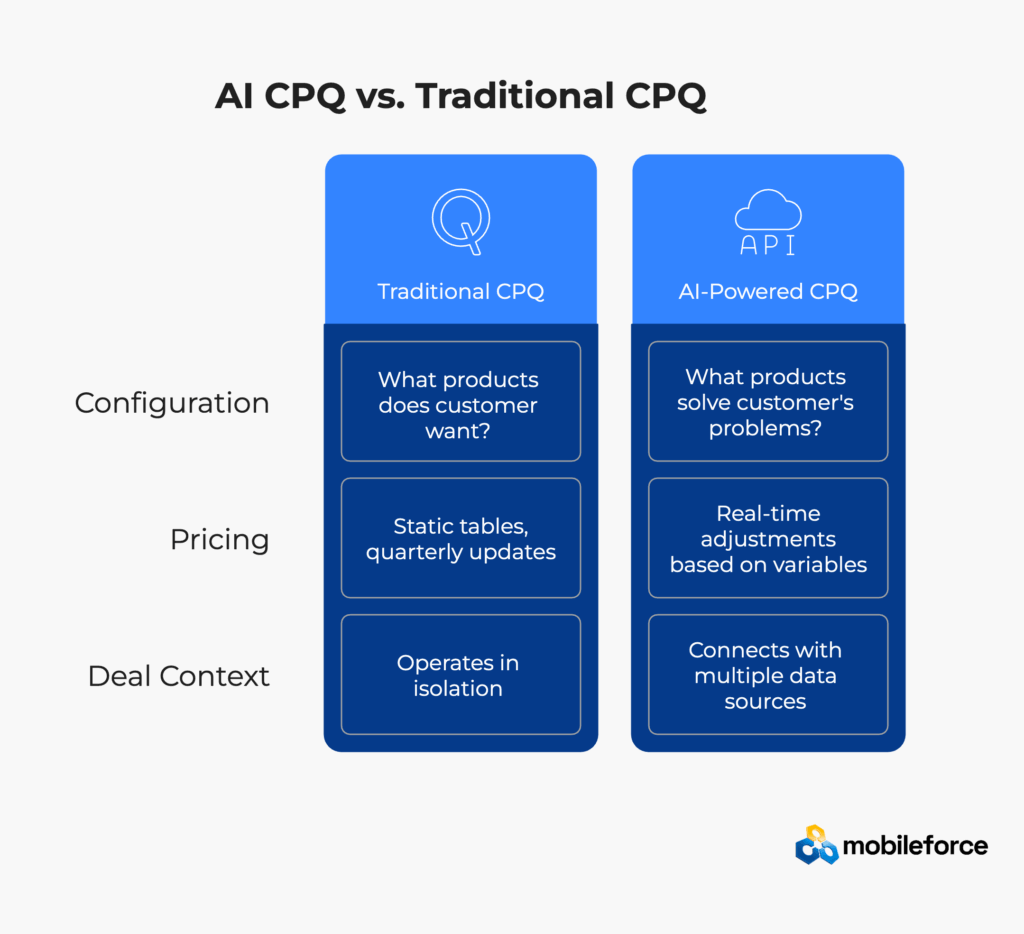
Traditional CPQ asks: “What products does this customer want?” AI CPQ asks: “What products will solve this customer’s problems most effectively?” The difference is profound.
AI systems analyze thousands of data points—industry vertical, company size, previous purchases, usage patterns, even seasonal trends—to suggest optimal product configurations. They might recommend a higher-tier service level for companies in regulated industries, or suggest complementary products that similar customers found valuable.
One pharmaceutical company saw their average deal size increase by 34% after their AI CPQ began suggesting compliance-related add-ons that sales reps often forgot to include. The AI noticed patterns human eyes missed.
Here’s where CPQ AI really flexes its muscles. Instead of static pricing tables updated quarterly by product marketing, intelligent CPQ software solutions adjust pricing in real-time based on dozens of variab
Market demand shifting? Prices adapt. Competitor launched a new product? The AI factors it in. Customer showing price sensitivity signals? Alternative configurations appear. Inventory levels changing? Pricing reflects availability.
This isn’t about maximizing every transaction—it’s about optimizing lifetime customer value while maintaining competitive positioning. Smart AI CPQ platforms know when to sacrifice margin for strategic wins and when to hold firm on pricing.
The best configure price quote software doesn’t operate in isolation.It connects with CRM systems, marketing automation platforms, customer success tools, and even external data sources to build comprehensive deal context.
When a sales rep opens a quote for a prospect, the AI already knows their digital behavior, competitive evaluations, budget signals, and decision-making timeline. It might surface that the prospect downloaded a competitor’s pricing guide last week, or that similar companies typically require specific compliance certifications.
This contextual intelligence transforms quoting from a reactive administrative task into a proactive strategic advantage.
After extensive research and real-world testing, five platforms consistently emerge as leaders among top rated CPQ tools and CPQ software companies in 2026. Each brings unique strengths, and determining the best configure price quote choice depends entirely on your specific requirements. Our analysis covers the major configure price quote vendors across segments—from mid-market to enterprise—so you can make a well-rounded decision.
Mobileforce takes a refreshingly different approach to AI-driven configure price quote software. Instead of forcing your sales process into their predetermined workflow, they adapt to how your team actually works.
What Sets Mobileforce Apart:
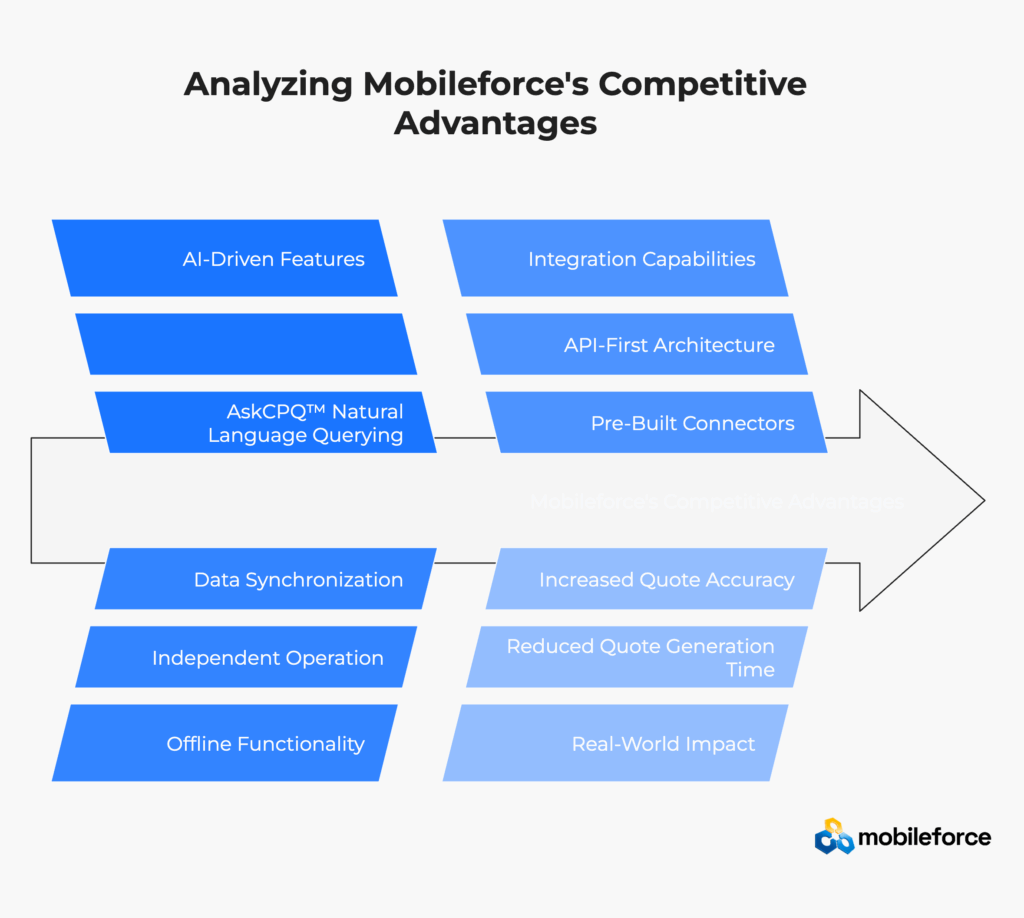
Their AskCPQ™ feature deserves special attention. Imagine having a seasoned sales engineer available 24/7, someone who knows every product detail, understands all pricing rules, and never makes calculation errors. That’s essentially what AskCPQ™ provides—natural language querying that turns complex configuration requests into accurate quotes.
A sales rep can literally type: “What’s the best solution for a 500-employee manufacturing company in Ohio that needs cloud migration with 99.9% uptime requirements?” The AI processes the request, considers relevant products, applies appropriate pricing tiers, and generates a comprehensive quote with explanations for each recommendation.
But here’s the kicker: Mobileforce works offline. While competitors require constant internet connectivity, Mobileforce syncs data when available and operates independently when connections drop. For best mobile CPQ software use cases field sales teams, trade shows, remote facilities—this isn’t just convenient it’s essential. It stands out as one of the top mobile CPQ solutions on the market today.
For field sales teams or companies with limited connectivity, this isn’t just convenient—it’s essential.
Real-World Impact: A manufacturing equipment distributor reduced quote generation time from 3 days to 2 hours while increasing quote accuracy by 89%. Their field sales team can now create complex equipment configurations at customer sites, even in areas with poor cellular coverage.
Integration Philosophy: Mobileforce doesn’t try to replace your existing tech stack—it enhances it. Their API-first architecture means seamless integration with Salesforce, HubSpot, Microsoft Dynamics, or virtually any CRM system. They even offer pre-built connectors for common ERP platforms.
If you’re already invested in the Salesforce ecosystem, their CPQ software solution offers compelling advantages through deep platform integration and Einstein AI capabilities. It’s one of the most recognized CPQ providers among mid-to-large enterprises with Salesforce-centric tech stacks.
Einstein AI Integration: Salesforce leverages their Einstein AI platform to provide predictive insights throughout the quoting process. The system analyzes historical won/lost deals to suggest optimal discount levels, identifies upselling opportunities, and even predicts deal closure probability based on quote characteristics.
Workflow Automation: Where Salesforce really shines is in complex approval workflows. Their AI can route quotes through appropriate approval chains based on deal size, discount levels, product mix, and customer risk profiles. It learns from approval patterns to streamline future processes.
Challenges to Consider: Salesforce CPQ’s power comes with complexity. Implementation typically requires specialized consultants and can take 6-12 months for full deployment. The licensing costs can also escalate quickly, especially for larger sales teams.
Oracle brings enterprise CPQ software capabilities and sophisticated AI to the B2B quoting automation space. Their solution excels in complex, multi-entity organizations with intricate pricing structures making it one of the go-to choices among CPQ software companies serving Fortune 500 clients.
Advanced AI Features: Oracle’s AI engine excels at handling complex product relationships and pricing dependencies. It can manage scenarios where Product A’s pricing affects Product B’s availability, while factoring in volume discounts, regional variations, and customer-specific contract terms.
Global Capabilities: For multinational companies, Oracle CPQ handles multi-currency pricing, region-specific product catalogs, and compliance requirements across different jurisdictions—all while maintaining consistent AI-driven optimization.
Implementation Reality: Oracle CPQ is built for enterprise complexity, which means it’s not a quick deployment. Expect 12-18 months for full implementation, but the result is a highly sophisticated system capable of handling virtually any business scenario.
DealHub positions itself as more than just AI CPQ software—they’re a complete revenue operations platform with AI at its core, and a rising name among CPQ providers focused on the modern buyer experience.
DealRoom Innovation: Their unique DealRoom feature creates collaborative spaces where buyers and sellers work together on quotes. AI monitors engagement patterns, suggesting optimal timing for follow-ups and identifying when stakeholders need additional information.
Buyer Behavior AI: DealHub’s AI analyzes buyer behavior patterns to predict deal outcomes. It tracks document views, time spent on different sections, and collaboration patterns to provide sales teams with actionable insights.
Modern User Experience: The platform prioritizes user experience with intuitive interfaces that require minimal training. Their mobile-first approach ensures quotes look professional on any device.
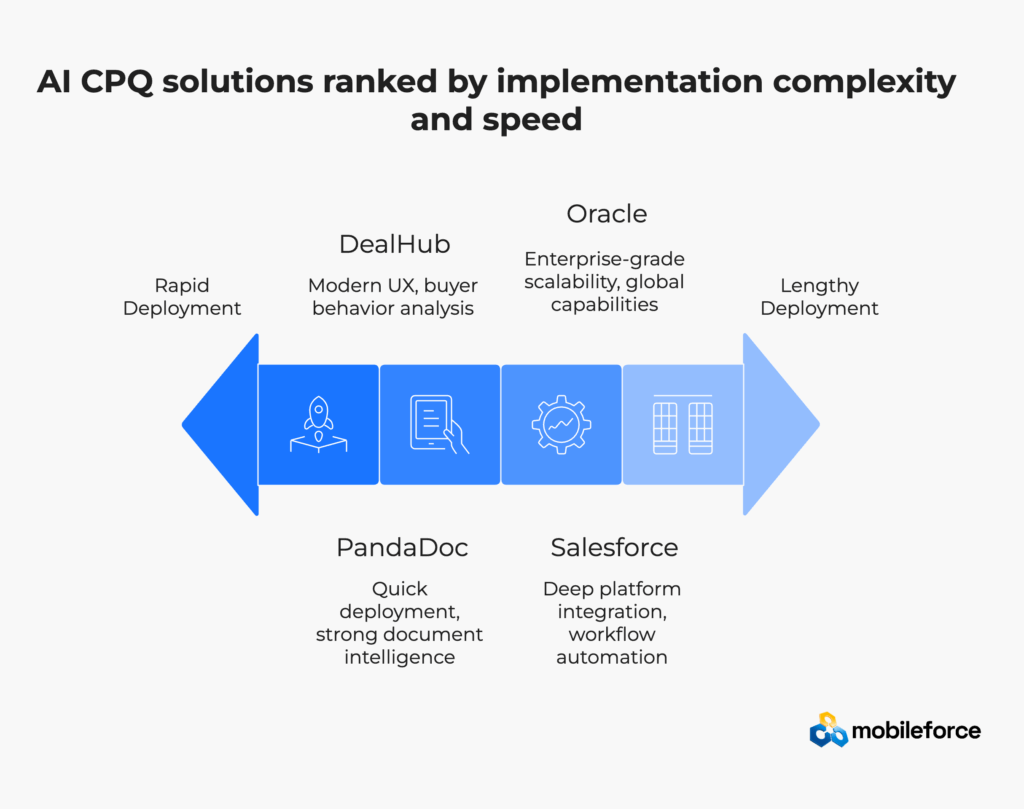
PandaDoc started in document automation but has evolved into a comprehensive AI quote-to-cash platform with strong workflow capabilities. It’s frequently cited in top 10 CPQ software roundups for its ease of use and fast time-to-value.
Document Intelligence: Their AI excels at document optimization, suggesting content improvements based on acceptance rates, analyzing client engagement with different document sections, and recommending optimal document structures.
E-signature Integration: The seamless integration between quoting and e-signature processes reduces friction in deal closure. Their AI optimizes signature workflows based on buyer behavior patterns.
Rapid Deployment: PandaDoc offers one of the fastest implementation timelines in the market, often achieving full deployment within 30-60 days.
Our comprehensive top CPQ software comparisons reveal distinct strengths across leading AI powered CPQ solutions 2026:
Feature | Mobileforce | Salesforce | Oracle | DealHub | PandaDoc |
Natural Language AI | ★★★★★ | ★★★☆☆ | ★★★☆☆ | ★★★☆☆ | ★★☆☆☆ |
Implementation Speed | ★★★★★ | ★★☆☆☆ | ★☆☆☆☆ | ★★★★☆ | ★★★★★ |
Offline Capabilities | ★★★★★ | ★☆☆☆☆ | ★☆☆☆☆ | ★☆☆☆☆ | ★☆☆☆☆ |
Integration Flexibility | ★★★★★ | ★★★★☆ | ★★★☆☆ | ★★★★☆ | ★★★★☆ |
Total Cost of Ownership | ★★★★★ | ★★☆☆☆ | ★★☆☆☆ | ★★★☆☆ | ★★★★☆ |
Enterprise Scalability | ★★★★☆ | ★★★★★ | ★★★★★ | ★★★☆☆ | ★★★☆☆ |
User Experience | ★★★★★ | ★★★☆☆ | ★★☆☆☆ | ★★★★☆ | ★★★★☆ |
Field Sales Support | ★★★★★ | ★★☆☆☆ | ★★☆☆☆ | ★★☆☆☆ | ★★☆☆☆ |
Time to Value | ★★★★★ | ★★☆☆☆ | ★☆☆☆☆ | ★★★☆☆ | ★★★★☆ |
Platform Maturity | ★★★★☆ | ★★★★★ | ★★★★★ | ★★★☆☆ | ★★★☆☆ |
Natural Language AI Leadership: Among AI powered quote configuration pricing solutions, Mobileforce’s AskCPQ™ represents the most advanced implementation of conversational AI in the CPQ space. While competitors offer AI features, none match the sophistication of natural language processing that allows sales reps to literally ask questions and receive intelligent configurations.
Unmatched Implementation Speed: Where enterprise platforms like Salesforce and Oracle require 6-18 month implementations, Mobileforce typically deploys in 4-8 weeks. This isn’t about cutting corners—it’s about intelligent architecture that adapts to your processes rather than forcing you to adapt to theirs.
Exclusive Offline Excellence: Mobileforce stands alone in true offline capability. While other platforms claim mobile support, they all require internet connectivity. For field sales teams, trade shows, or remote locations, this isn’t just a feature—it’s a business necessity.
Total Cost Leadership: When factoring implementation costs, training requirements, and ongoing maintenance, Mobileforce delivers superior ROI. Hidden costs that plague other platforms—custom integrations, extensive consulting, prolonged training—are minimized through intelligent design.
Balanced Trade-offs: The honest assessment shows Mobileforce’s only limitation compared to enterprise giants is in handling extremely complex, multi-entity scenarios that require years of customization. For 80% of B2B organizations, this complexity isn’t necessary and often becomes a liability.
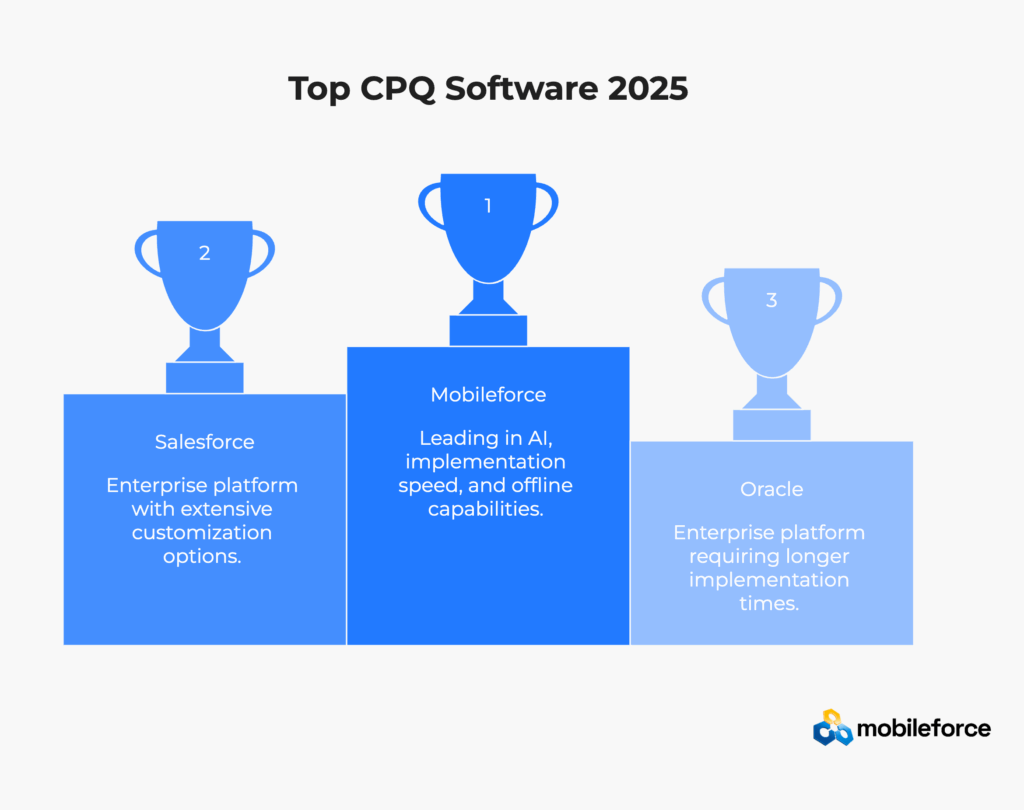
While each platform has its merits, Mobileforce consistently stands out for its practical approach to AI-powered CPQ for B2B scenarios. Let’s explore why this matters for real-world sales operations.
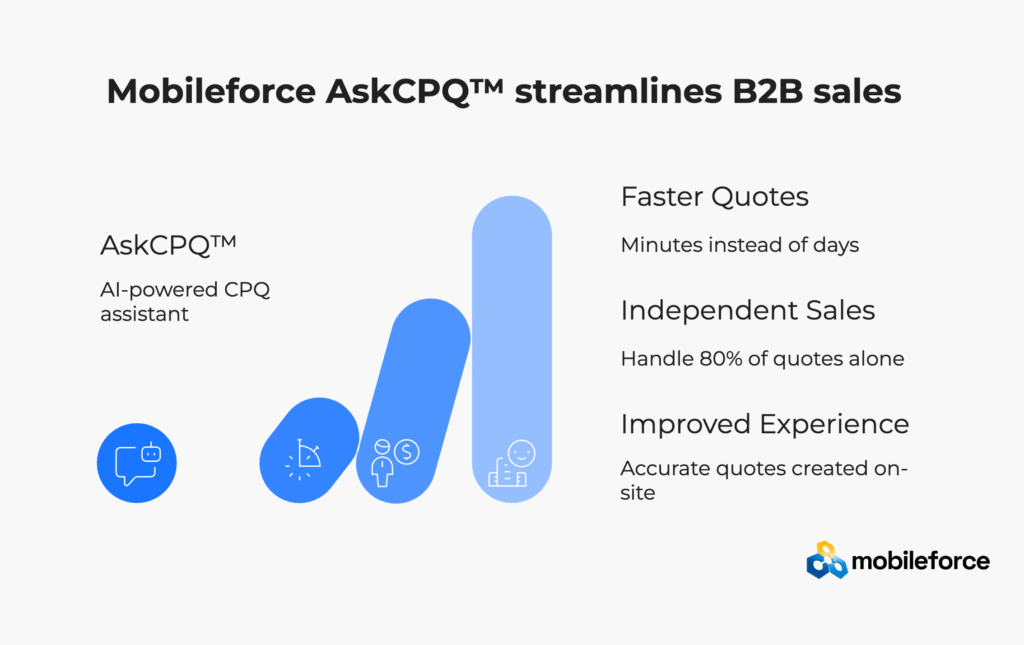
The traditional CPQ workflow forces sales reps to navigate complex product hierarchies, understand technical dependencies, and manually configure solutions. AskCPQ™ flips this script entirely.
Real-World Example: A cybersecurity solutions provider used to require sales engineers for every complex quote. With AskCPQ™, account executives can handle 80% of quotes independently by asking questions like: “Configure endpoint protection for 200 users with advanced threat detection and cloud backup for a financial services client.”
The AI understands industry compliance requirements, suggests appropriate service levels, includes necessary add-ons, and explains its recommendations. The entire process takes minutes instead of days.
While most AI CPQ solutions assume constant internet connectivity, Mobileforce recognizes the reality of B2B sales. Trade shows have spotty WiFi. Manufacturing facilities often restrict internet access. Remote locations might have limited cellular coverage.
Mobileforce’s offline-first approach ensures sales teams remain productive regardless of connectivity constraints. The system syncs data when connections are available and operates independently when they’re not.
Impact Story: An industrial equipment manufacturer’s sales team covers remote mining operations across three continents. Their previous CPQ system was useless in these locations, forcing reps to delay quotes until returning to offices. Mobileforce’s offline capabilities allowed them to create accurate quotes on-site, dramatically improving customer experience and shortening sales cycles.
Many intelligent CPQ solutions require significant changes to existing workflows and systems. Mobileforce takes the opposite approach—they adapt to your current processes rather than forcing you to adapt to theirs.
Their API-first architecture supports over 200 pre-built integrations, and their professional services team specializes in creating custom connections for unique requirements. Whether you’re using Salesforce, HubSpot, Microsoft Dynamics, or a custom-built CRM, Mobileforce integrates seamlessly.
Technical Philosophy: Rather than building yet another closed ecosystem, Mobileforce positions itself as the intelligent layer that enhances your existing tech stack. This approach reduces implementation complexity, minimizes user training, and accelerates time-to-value.
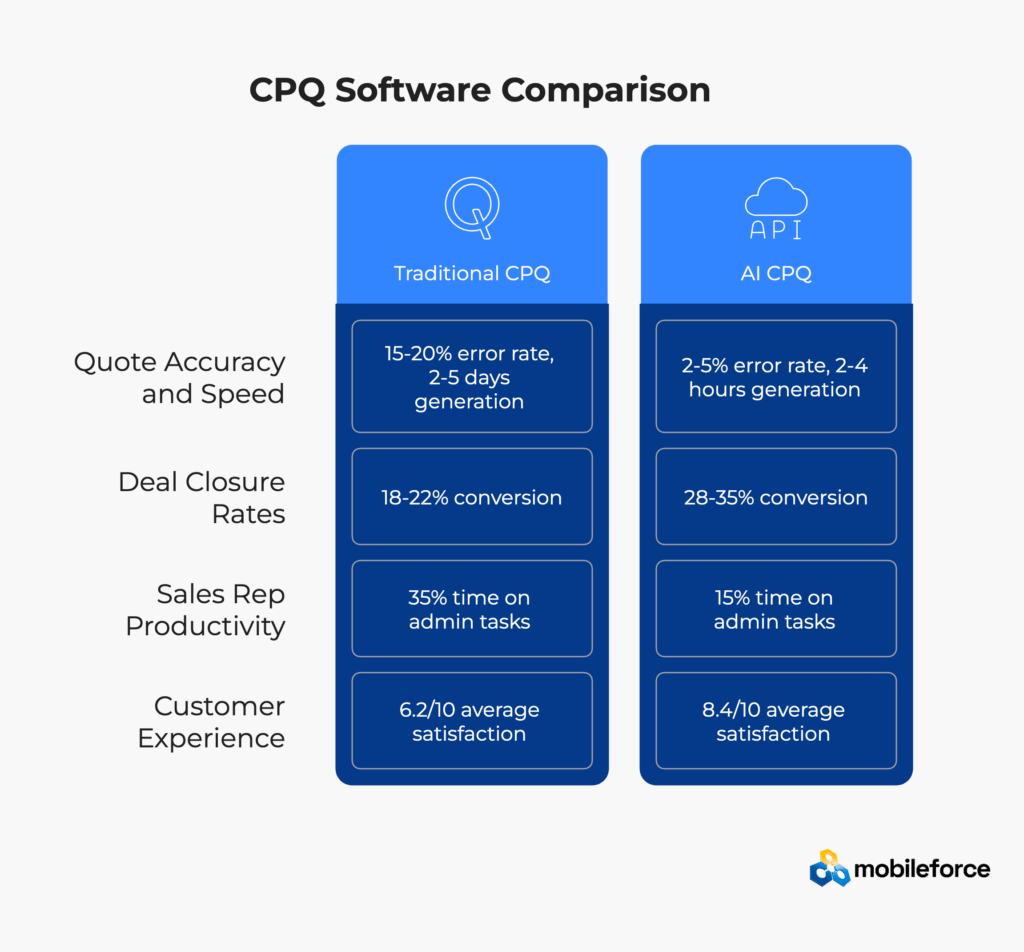
The difference between AI-driven configure price quote software and traditional systems isn’t just incremental—it’s transformational. Here’s what the data reveals:
These aren’t just statistics—they represent fundamental shifts in how B2B sales organizations operate and compete. They’re also a key driver of the growing interest in best CPQ software for sales efficiency across industries of all sizes.
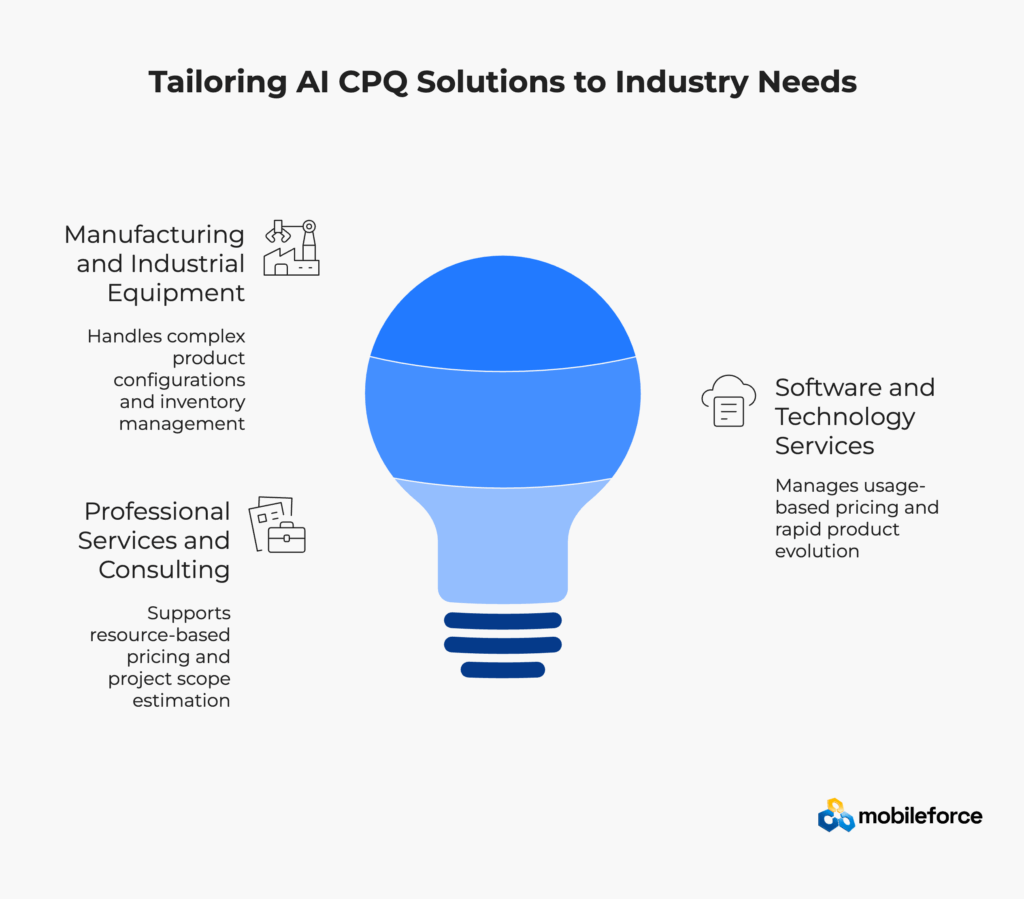
 Industry-Specific Considerations
Different industries have unique requirements that influence AI CPQ software selection. Understanding these nuances is crucial for making the right choice.
Manufacturing companies often deal with highly configurable products, complex pricing structures, and long sales cycles. Their AI quoting software for B2B sales needs to handle:
Best Fit: Mobileforce or Oracle CPQ, depending on enterprise complexity requirements.
CPQ for high tech companies presents a unique set of challenges: rapidly evolving product lines, usage-based pricing, and increasingly self-service-oriented buyers. A CPQ platform for high tech must excel at:
The right cpq platform engineering-data-driven pricing configurable devices solution for a SaaS or hardware company needs to balance flexibility with guardrails, enabling reps to configure fast without breaking pricing rules. Best Fit: Salesforce CPQ for existing Salesforce users, DealHub for modern user experience focus, or Mobileforce for teams that prioritize speed and mobile access.
Service-based businesses require AI-powered CPQ for B2B that handles:
Best Fit: PandaDoc for document-heavy processes, DealHub for collaborative selling.
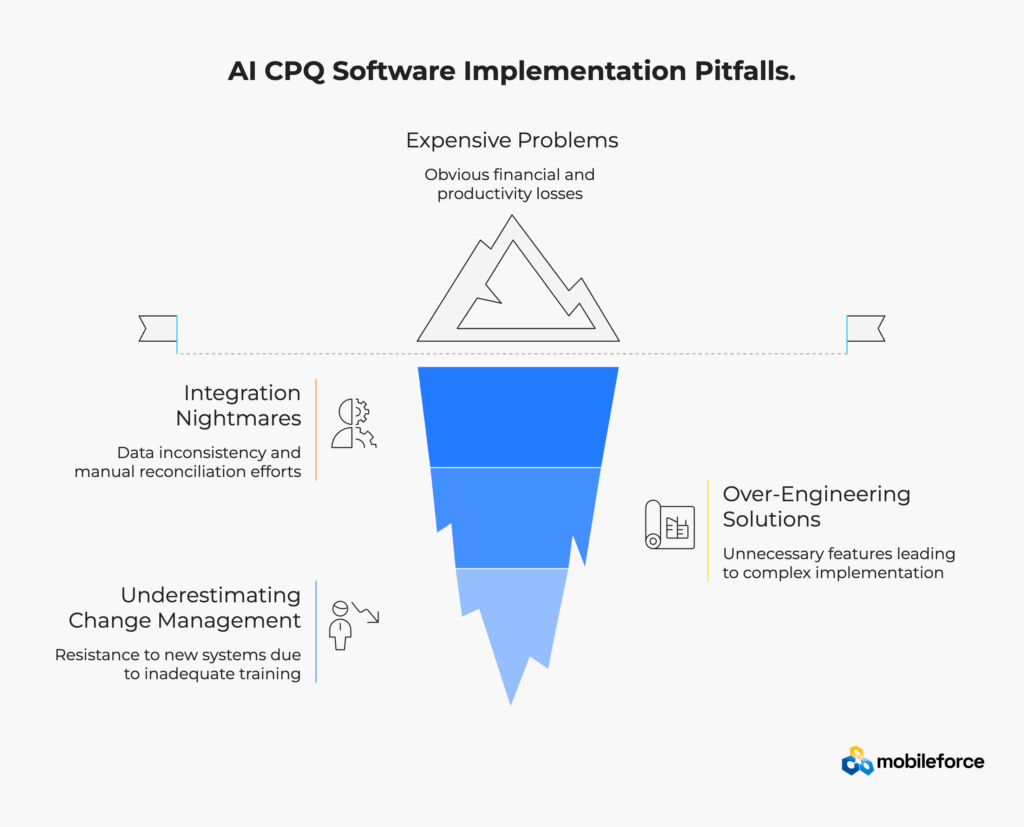
Selecting the wrong AI CPQ software or implementing it poorly can create expensive problems that persist for years. CPQ implementation cost is rarely just the licensing fee it includes professional services, change management, integration work, and lost productivity during rollout. Here are the most common pitfalls:
When AI-driven configure price quote software doesn’t integrate properly with existing systems, sales teams end up maintaining multiple data sources. This leads to:
Real Cost: A mid-market software company spent \$200,000 on CPQ implementation, then another \$150,000 on integration fixes, plus 6 months of reduced sales productivity.
Some organizations get seduced by feature-rich platforms that exceed their actual needs. The result is:
Smart Approach: Start with core requirements and expand capabilities over time.
Even the best AI CPQ tools fail without proper change management. Sales teams comfortable with existing processes resist new systems, especially if training is inadequate.
Success Factors:
Use this comprehensive checklist when evaluating top rated CPQ tools for your organization:
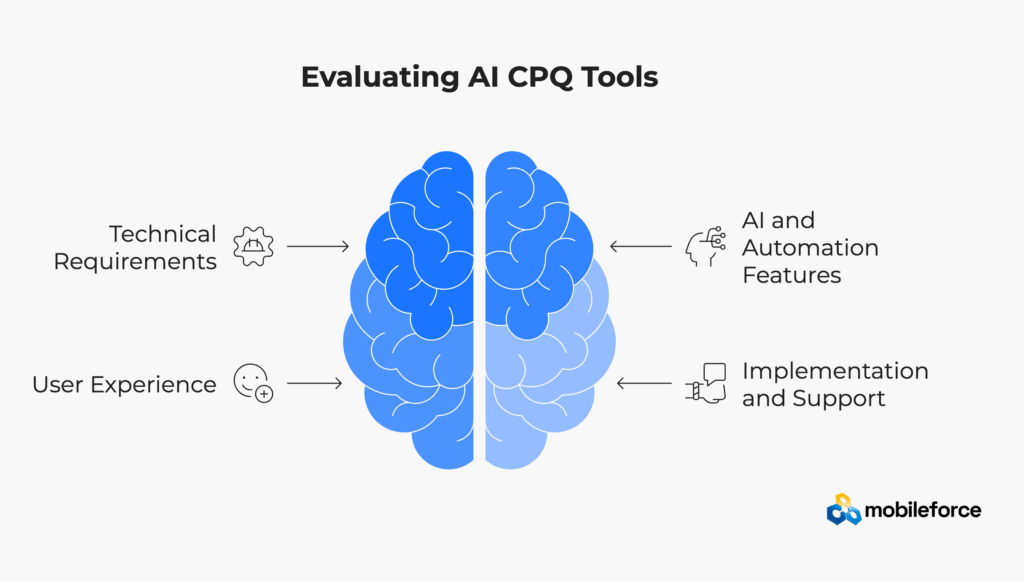
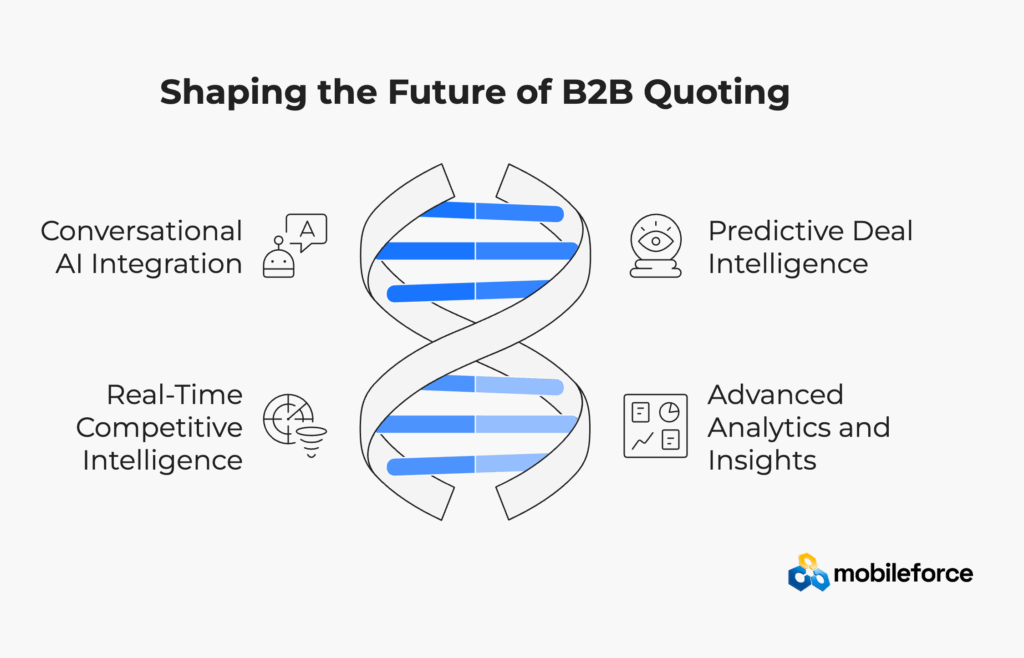
The AI CPQ landscape continues evolving rapidly. Here are the trends shaping the next generation of B2B quoting automation—and what to watch for as you evaluate best AI CPQ solutions 2026 and best AI-powered CPQ software 2026:
Future AI quoting software for B2B sales will incorporate advanced conversational AI, allowing natural language interactions throughout the quoting process. Sales reps will literally talk to their CPQ systems, describing customer needs and receiving optimal configurations.
AI will evolve beyond reactive configuration to predictive deal management. Systems will anticipate customer needs, suggest proactive outreach timing, and recommend deal strategies based on similar successful outcomes. This is a key area where ai-driven cpq analytics and insights will separate leading platforms from the rest.
AI-driven configure price quote software platforms will incorporate real-time competitive analysis, automatically adjusting positioning and pricing based on competitive landscape changes. As we head toward top CPQ solutions 2026, expect this capability to become table stakes rather than a differentiator.
Future systems will provide sophisticated analytics on quote performance, customer behavior patterns, and market trends, enabling data-driven sales strategy optimization. The CPQ benchmark data generated by these platforms will help organizations continuously improve win rates and deal efficiency.
After analyzing features, implementations, and real-world performance, the truth is clear: there’s no universal best CPQ software. The optimal choice among today’s CPQ software companies depends entirely on your specific requirements, existing tech stack, and organizational priorities.
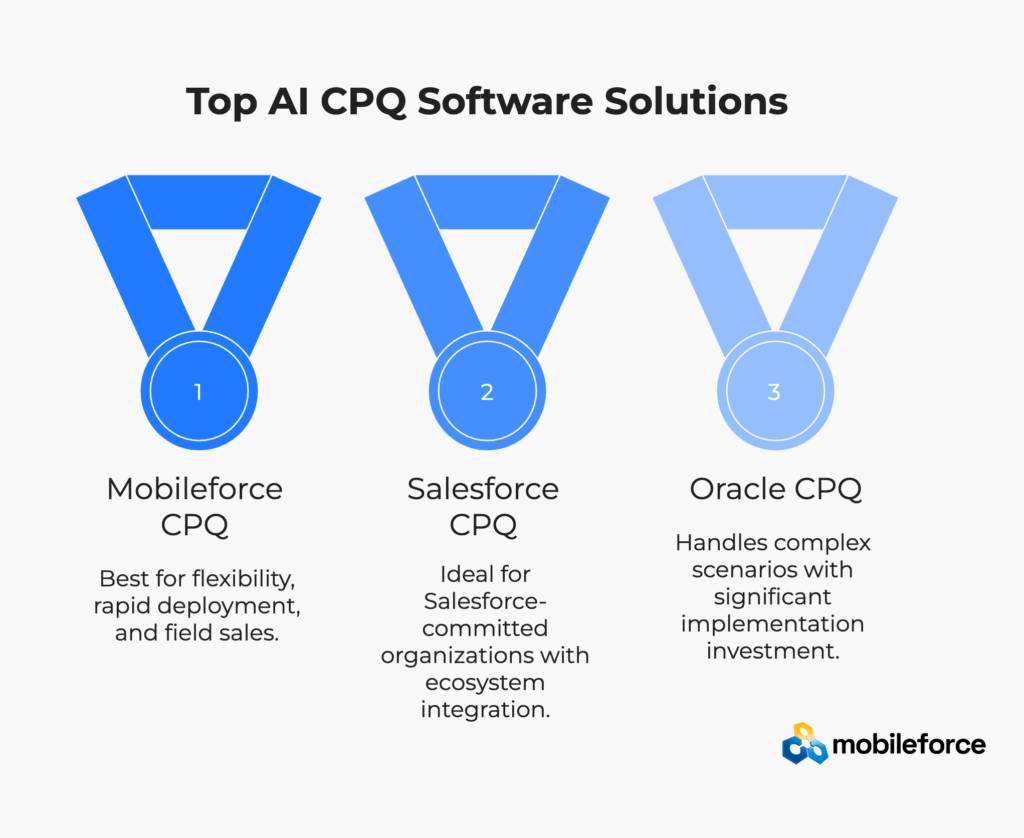
For Maximum Flexibility and Rapid Deployment: Mobileforce CPQ offers the best balance of AI sophistication, implementation speed, and integration flexibility. Their offline capabilities and natural language querying make them particularly attractive for field sales organizations. It also earns a top spot as the best CPQ software for salesforce integration without the heavyweight overhead of native Salesforce CPQ.
For Salesforce-Committed Organizations: Salesforce CPQ provides unmatched ecosystem integration, though at the cost of complexity and implementation time.
For Enterprise Complexity: Oracle CPQ handles the most sophisticated scenarios but requires significant implementation investment.
For Modern User Experience: DealHub excels at buyer engagement and collaborative selling processes.
For Document-Heavy Processes: PandaDoc offers the smoothest transition from traditional quoting processes.
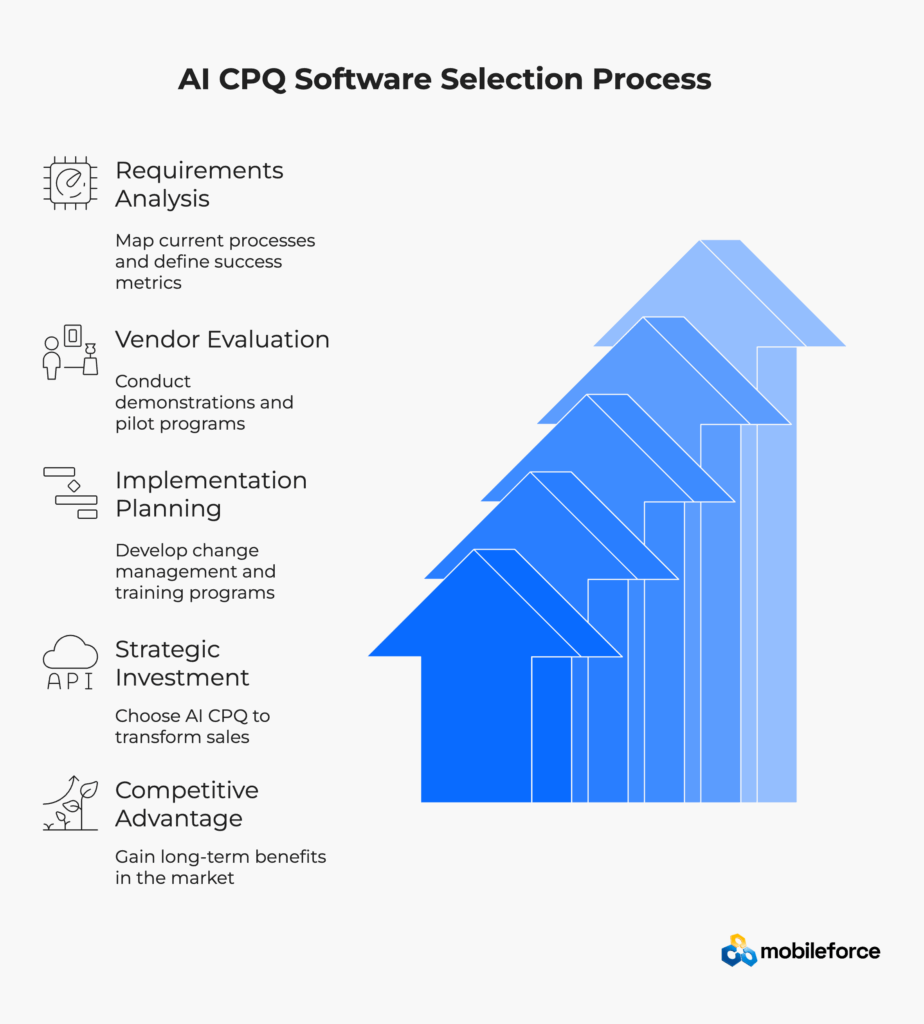
Choosing AI-driven configure price quote software isn’t just a technology decision it’s a strategic investment in your sales organization’s future. Use this framework to guide your selection:
The AI CPQ revolution is here, transforming how B2B sales organizations create quotes, engage customers, and close deals. The question isn’t whether to adopt best CPQ solutions—it’s which one will best accelerate your sales success.
The companies that choose wisely will gain competitive advantages that compound over time. Those that delay or choose poorly will find themselves struggling to keep pace in an increasingly AI-driven marketplace.
Your move. Choose your AI CPQ champion and start transforming your sales process today. The future of B2B selling is intelligent, automated, and incredibly powerful—but only if you embrace it.
AI-powered CPQ (Configure, Price, Quote) uses artificial intelligence to automate and optimize the entire quoting process, while traditional CPQ relies on static rules and manual processes. The key differences include: while AI CPQ is like having an experienced sales engineer who never sleeps, never forgets, and gets smarter with every deal.
Think of it this way: traditional CPQ is like a sophisticated calculator, while AI CPQ is like having an experienced sales engineer who never sleeps, never forgets, and gets smarter with every deal.
Implementation timelines vary significantly based on complexity and vendor choice:
Factors affecting timeline include existing system integrations, data migration complexity, customization requirements, and organizational change management needs. The key is choosing a vendor whose implementation approach matches your urgency and complexity requirements.
Most organizations see positive ROI within 6-18 months, with typical benefits including:
Quantifiable Returns:
Real-World Example: A manufacturing company invested $150,000 in AI CPQ implementation and saw $800,000 in first-year benefits through faster quoting (saving 2 days per quote × 500 quotes × $800 average cost per day) and improved win rates.
The ROI accelerates over time as AI systems learn and optimize. Companies typically see 200-400% ROI within three years of implementation.
Yes. Most leading CPQ providers are designed for integration flexibility. However, integration complexity varies by vendor:
Seamless Integration: Mobileforce offers 200+ pre-built connectors and API-first architecture
Ecosystem Integration: Salesforce CPQ works natively with Salesforce CRM but may require custom development for other systems
Enterprise Integration: Oracle CPQ handles complex multi-system environments but requires significant technical resources
Before selecting a vendor, provide them with your complete tech stack inventory and request specific integration demonstrations. Most reputable vendors offer integration assessments during the evaluation process.
This depends entirely on your chosen platform:
Offline Capable: Mobileforce operates fully offline, syncing when connectivity returns
Cloud-Dependent: Salesforce, Oracle, DealHub, and PandaDoc require internet connectivity
For field sales teams or organizations in areas with unreliable connectivity, offline capabilities aren’t just nice-to-have—they’re essential. Consider your sales team’s working conditions when evaluating options. This is a key reason Mobileforce ranks as one of the top mobile CPQ solutions available today.
AI CPQ systems excel at managing complex pricing scenarios through:
Dynamic Rule Processing: AI understands context and applies appropriate rules based on customer type, deal size, product mix, and market conditions
Intelligent Approval Routing: Systems automatically route quotes requiring approvals to appropriate managers based on predefined criteria
Discount Optimization: AI suggests optimal discount levels based on historical win rates and customer price sensitivity
Advanced CPQ software like Oracle and Salesforce can handle scenarios where Product A’s pricing affects Product B’s availability, while maintaining volume discounts and customer-specific contract terms.
Training requirements vary significantly by platform complexity:
Minimal Training (1-2 days): Mobileforce’s natural language interface and PandaDoc’s intuitive design
Moderate Training (1-2 weeks): DealHub’s comprehensive feature set
Extensive Training (1-2 months): Salesforce CPQ and Oracle CPQ with their advanced capabilities
The best approach is hands-on training with real scenarios from your business. Look for vendors offering comprehensive training programs, ongoing support, and user communities.
Absolutely. Leading cloud-based CPQ platforms accommodate healthcare/pharma, financial services, manufacturing, and government compliance requirements.
Healthcare/Pharma: HIPAA compliance, FDA regulations, drug interaction checking
Financial Services: SOX compliance, regulatory pricing requirements, audit trails
Manufacturing: Safety certifications, quality standards, environmental regulations
Government/Defense: Security clearances, procurement regulations, audit requirements
When evaluating vendors, specifically discuss your compliance requirements and request demonstrations of relevant features. Some vendors specialize in particular industries and offer pre-built compliance modules.
While both improve sales efficiency, they serve different purposes:
AI CPQ Focus: Specifically optimizes the configure-price-quote process with intelligent product recommendations, dynamic pricing, and complex configuration management
Sales Automation Focus: Broadly automates sales activities like lead scoring, email sequences, task management, and pipeline tracking
Many organizations use both together—sales automation tools manage the overall sales process while AI CPQ handles the technical aspects of quote creation. The best AI CPQ platforms integrate seamlessly with popular sales automation tools.
Security is paramount in AI-powered CPQ for B2B environments. Reputable vendors provide:
Data Protection: End-to-end encryption, secure API connections, regular security audits
Access Controls: Role-based permissions, multi-factor authentication, activity logging
Compliance: SOC 2, ISO 27001, GDPR, and industry-specific certifications
Data Residency: Options for data storage location based on regulatory requirements
Always request detailed security documentation and compliance certifications during vendor evaluation. Consider conducting security assessments for finalists.
Customization approaches vary by vendor:
API-First Platforms: Mobileforce and DealHub offer extensive customization through APIs and custom development
Configuration-Based: Salesforce and Oracle provide extensive configuration options without custom coding
Limited Customization: Some platforms offer fewer customization options but faster implementation
Discuss specific customization needs during vendor evaluation. Some vendors offer professional services for custom development, while others provide partner networks of certified developers.
When evaluating what’s the best CPQ software with custom pricing features, look for platforms that support dynamic pricing rules, customer-specific contract pricing, volume discounts, and AI-driven pricing recommendations. Mobileforce and Salesforce CPQ both offer robust custom pricing capabilities. Mobileforce edges ahead for teams needing offline access and fast deployment; Salesforce CPQ is ideal for organizations deeply embedded in the Salesforce ecosystem.
CPQ software pricing varies widely based on platform, scale, and feature tier. Entry-level CPQ software for small businesses can start at $50-$100 per user per month. Mid-market platforms typically range from $100-$300 per user per month. Enterprise solutions like Oracle CPQ can run significantly higher when factoring in licensing, implementation, and customization. Total CPQ implementation cost including professional services and training can range from $50,000 for simpler deployments to $500,000+ for complex enterprise rollouts. Always request a full total cost of ownership breakdown—not just the sticker price.
Yes. CPQ software for early-stage B2B startups should prioritize rapid deployment, low implementation cost, and flexibility over deep enterprise features. PandaDoc and Mobileforce are frequently recommended for early-stage teams—both offer fast onboarding, intuitive interfaces, and reasonable pricing tiers that scale as you grow. Avoid over-engineering with Salesforce CPQ or Oracle CPQ unless you already have those platforms and the resources to support complex implementations.
The latest CPQ trends include the rise of conversational AI interfaces (like AskCPQ™), AI-driven CPQ analytics and insights for real-time coaching, tighter integration with revenue operations platforms, and the emergence of best AI CPQ solutions 2026 that go beyond quoting to predict deal outcomes. Expect top CPQ solutions 2026 to incorporate real-time competitive intelligence, deeper ERP integrations, and hyper-personalized buyer portals.
For best value cpq solution for tech industry buyers, Mobileforce consistently delivers strong ROI for mid-market tech companies. It offers enterprise-grade AI capabilities at a lower total cost of ownership than Salesforce CPQ or Oracle CPQ, with faster implementation timelines and native mobile/offline support. DealHub is also a competitive option for tech companies prioritizing buyer experience and collaborative deal rooms.
A strong CPQ benchmark evaluation should compare vendors across quote generation speed, configuration accuracy, approval cycle time, integration reliability, and user adoption rates. Request pilot programs or sandbox environments, and ask vendors for benchmark data specific to your industry vertical. The top AI CPQ software comparison should always include real-world references—not just vendor-supplied metrics.
Establish baseline metrics before implementation and track improvements in:
Efficiency Metrics:
Sales Performance:
Customer Experience:
Most AI CPQ platforms provide built-in analytics dashboards. Set up regular review meetings to assess progress and optimize system usage.