
Companies still using legacy configure price quote systems face increasing risks of lost deals, pricing errors, and competitive disadvantages in today’s fast-moving B2B marketplace. The enterprise CPQ software market is projected to grow from $3 billion in 2024 to $10.8 billion by 2033, driven by evolving subscription pricing models, customer experience expectations, and quote-to-cash integration capabilities. Modern cloud CPQ platforms deliver 28% faster sales cycles, 95% reduction in approval wait times, and 3.2x average return on investment. Organizations that modernize their quoting processes now position themselves to capitalize on subscription economies, usage-based pricing models, and AI-driven revenue optimization while improving sales enablement and margin protection.
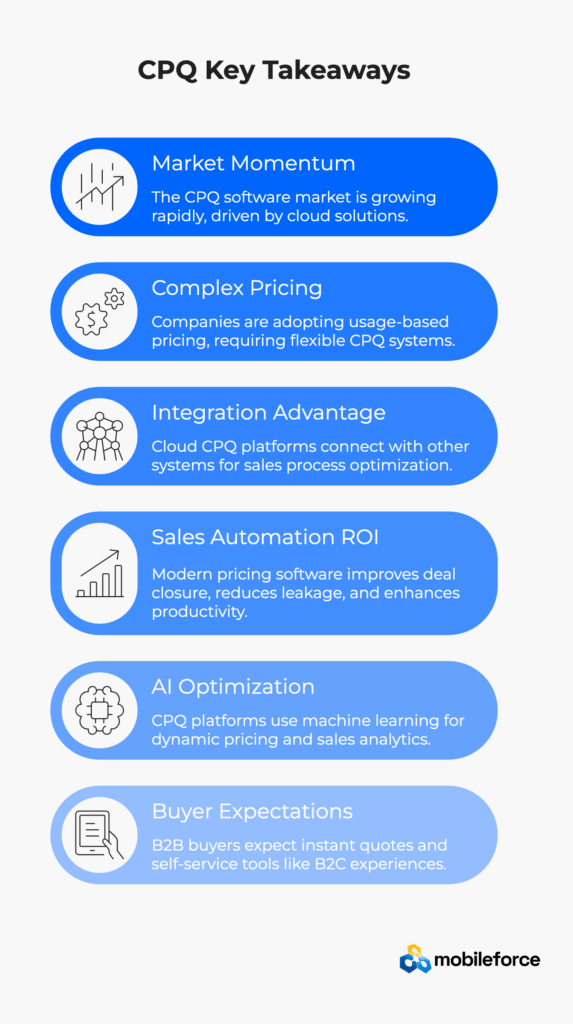
Configure Price Quote software is a sales automation solution that streamlines the process of creating accurate quotes for complex products and services. CPQ systems automate product configuration, apply pricing rules, and generate professional proposals while ensuring margin protection and compliance with business policies.
“The companies that thrive in 2026 won’t be those with the best products—they’ll be those with the fastest, most accurate quote-to-cash processes,” observes a recent study from MGI Research. This insight captures the fundamental shift happening across B2B commerce, where sales velocity and pricing accuracy determine competitive positioning.
The business landscape has fundamentally changed, creating three converging pressures that make CPQ modernization essential:
What worked five years ago—spreadsheets, manual pricing calculations, and email-based quote approvals—now creates competitive vulnerabilities that forward-thinking companies can’t afford to ignore. Modern buyers expect enterprise-grade purchasing experiences while sellers face unprecedented pressure to deliver accurate quotes faster than ever before.
Ready to learn how modern sales teams are adapting? Discover proven strategies for sales teams navigating today’s complex selling environment.
The numbers tell a compelling story about enterprise software adoption. According to Mordor Intelligence, the configure price quote market is expanding at a 16.81% compound annual growth rate through 2030, with cloud CPQ deployment models leading the charge. This isn’t just technology adoption—it’s fundamental business transformation driven by revenue operations optimization needs.
Manufacturing companies, technology vendors, and professional services firms are investing heavily in sales automation platforms that can handle complex product catalogs, sophisticated pricing matrices, and integration requirements with existing business systems. The shift represents recognition that manual quoting processes create operational bottlenecks that limit growth potential.
According to McKinsey research on B2B digital leaders, top-quartile B2B players generate 3.5% more revenue and are 15% more profitable than their peers. This demonstrates the direct business impact of sales technology modernization initiatives.
Looking for comprehensive field service capabilities? Explore our field service management solutions that integrate seamlessly with CPQ workflows.
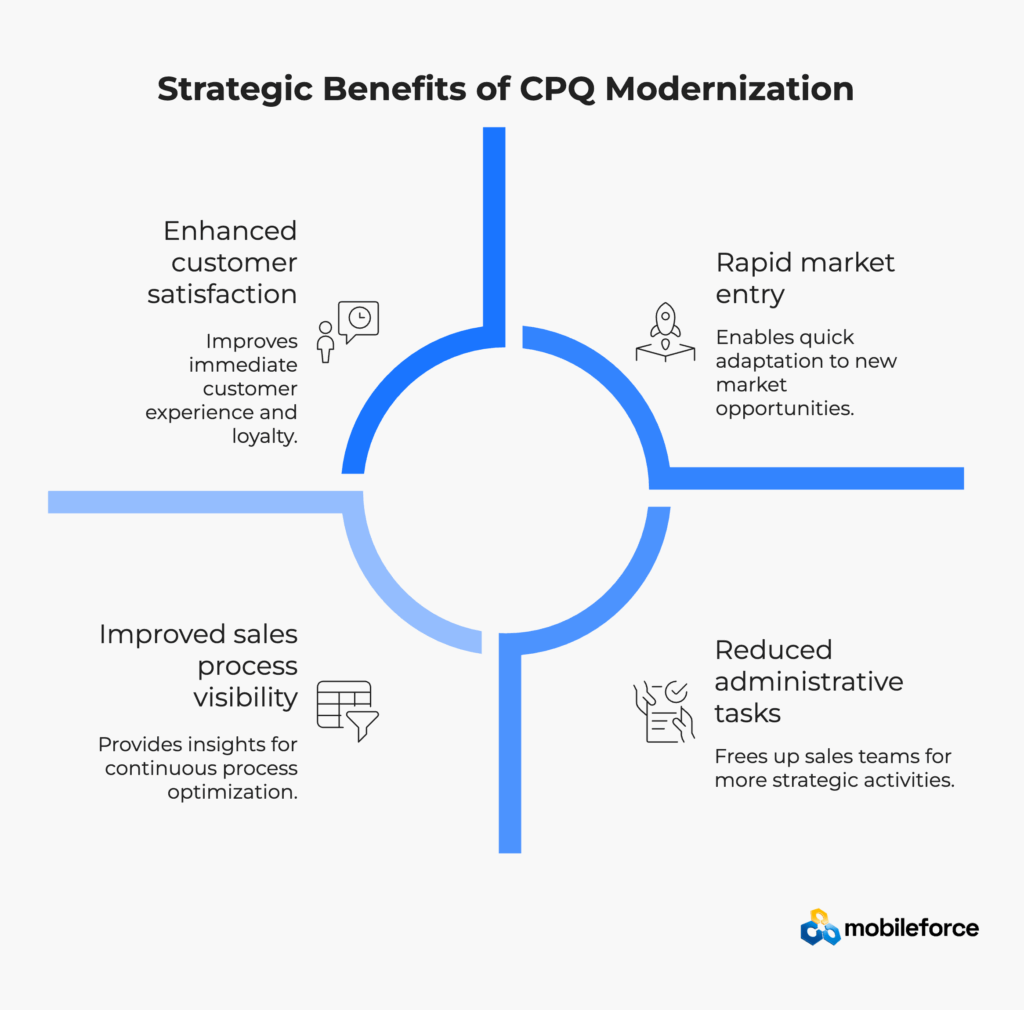
Modern enterprise CPQ platforms transform the quote generation process from a time-consuming manual task into an automated sales workflow that produces results in minutes rather than hours or days. Companies implementing advanced configure price quote solutions report reducing sales cycles by 28% and cutting approval wait times by 95%.
Key Sales Automation Benefits Include:
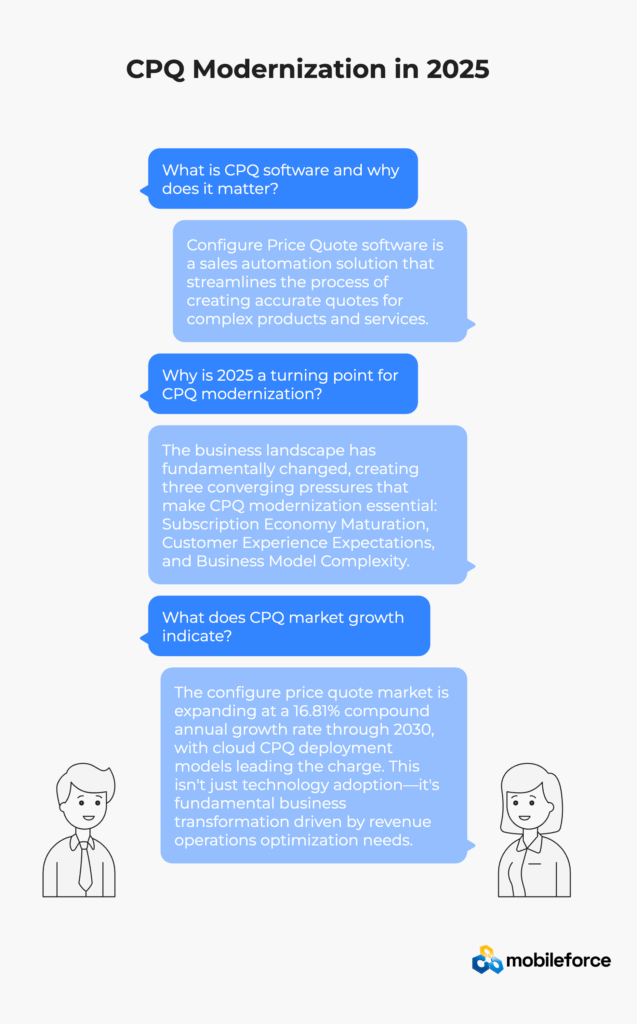
But speed without accuracy creates new problems in complex selling environments. That’s where intelligent quote management automation makes the difference. Modern CPQ platforms validate product configurations in real-time, apply dynamic pricing rules automatically, and flag potential configuration conflicts before they reach customers. This automation doesn’t just save time—it prevents the costly delays that occur when quotes require revision due to technical errors or pricing mistakes.
Curious about how fast your sales team could move with modern quoting? Schedule a demo to see the difference automation makes in real-world scenarios.
Consider how this plays out in manufacturing environments selling configurable equipment. A company might traditionally require engineering support for every custom quote, creating bottlenecks that extend sales cycles and limit scalability. Modern CPQ platforms capture this engineering knowledge in automated configuration rules, enabling sales teams to generate technically accurate quotes independently while maintaining product integrity and compatibility requirements.
Manual quoting processes are inherently vulnerable to pricing errors, unauthorized discount approvals, and configuration mistakes that erode profitability. These issues don’t just affect individual deals—they create systemic margin leakage that compounds over time, particularly in organizations with distributed sales teams or complex partner channel structures.
Advanced CPQ Platforms Implement Margin Protection Through:
Research from Business Research Insights shows that companies implementing modern configure price quote software experience significant improvements in pricing discipline and margin protection. When every quote follows consistent pricing rules and approval processes, revenue leakage decreases substantially while maintaining competitive positioning in target markets.
Advanced pricing optimization capabilities enable organizations to test different pricing strategies, analyze win rates across customer segments, and optimize discount structures based on actual sales performance data rather than intuition or legacy practices.
According to Gartner’s research on revenue enablement, organizations prioritizing revenue enablement are 80% more likely to exceed revenue growth targets. This underscores the importance of providing sales teams with modern tools and processes that support effective customer engagement.
Want to see how leading sales organizations structure their teams for success? Learn about effective sales team strategies that complement modern CPQ implementations.
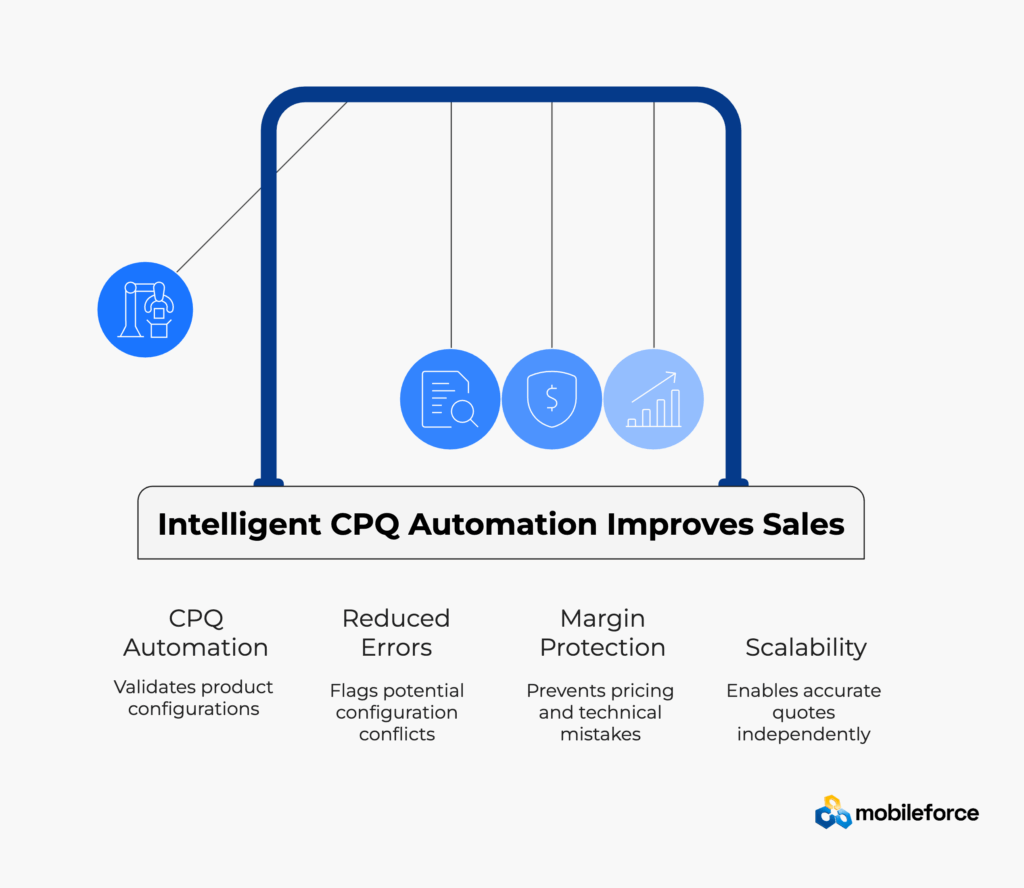
Today’s business environment demands pricing flexibility that manual quote management systems simply cannot provide. Companies are increasingly adopting hybrid business models that combine subscription pricing, usage-based charges, consumption billing, and one-time fees within single customer relationships.
Modern Pricing Model Requirements Include:
Industry analysis shows that 73% of companies plan to offer more usage-based pricing plans by Q1 2026, driven by customer demands for pay-as-you-go models and flexible consumption options. This pricing complexity requires sophisticated quote management systems that can handle multiple billing structures simultaneously without creating operational overhead or customer confusion.
Modern enterprise CPQ platforms excel in these complex scenarios by providing flexible configuration engines that support diverse pricing models, billing frequencies, and contract terms. Whether a company needs to quote subscription services alongside hardware purchases or combine usage-based pricing with support service tiers, advanced platforms handle the complexity seamlessly while maintaining pricing consistency and margin protection.
Ready to explore how flexible pricing could expand your market opportunities? Learn more about Mobileforce’s CPQ capabilities designed for complex business models.
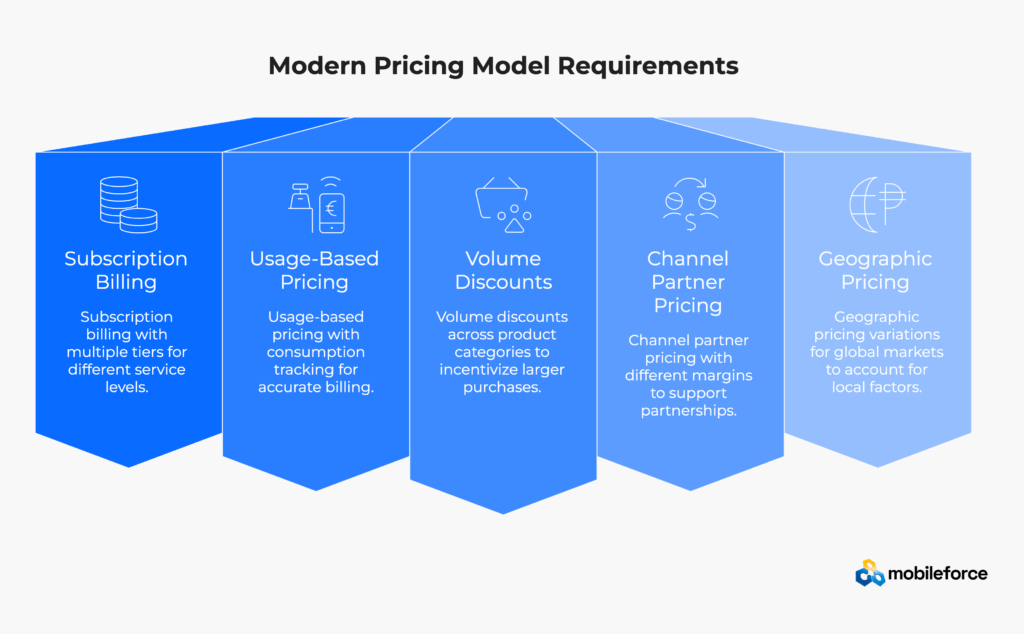
B2B buyers increasingly expect B2C-style experiences in their professional purchasing decisions, demanding instant responses, transparent pricing models, and personalized recommendations based on their specific requirements and purchase history. This expectation shift has created competitive pressure for organizations to modernize their sales processes and customer engagement strategies.
Key Customer Experience Enhancements Include:
Modern configure price quote platforms enable this personalization through AI-driven recommendation engines that suggest complementary products, optimal configurations, and pricing packages tailored to specific customer segments and buying behaviors. Guided selling capabilities help buyers navigate complex product catalogs while ensuring they receive solutions that match their technical requirements and budget constraints.
The customer experience benefits extend beyond the initial quote generation process. Modern platforms maintain complete quote histories, enable self-service capabilities for authorized users, and provide real-time status updates throughout the sales process. This transparency builds trust and reduces the friction that often characterizes complex B2B sales cycles, particularly in industries with long decision-making processes.
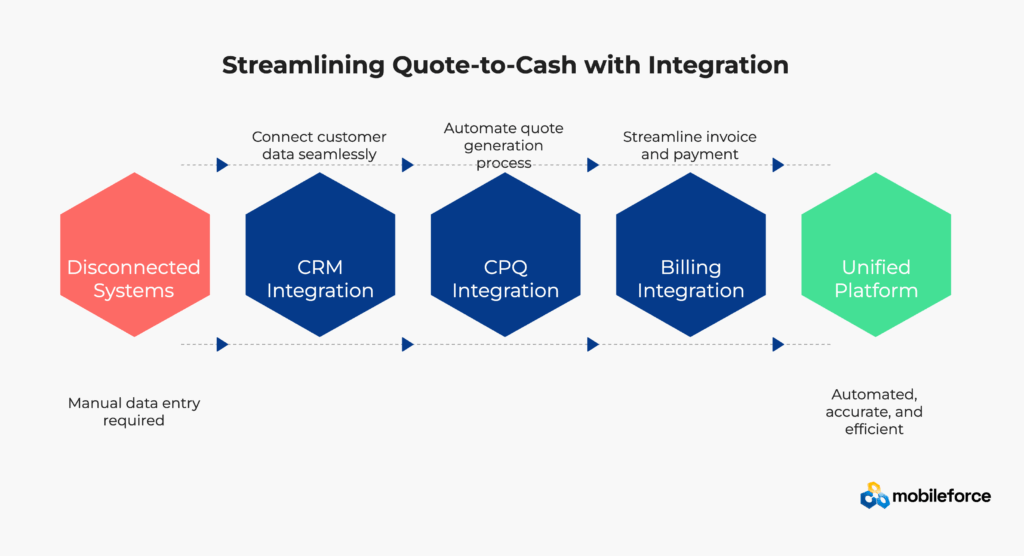
Perhaps the most significant advantage of modern CPQ platforms is their ability to integrate seamlessly with existing business systems, creating unified quote-to-cash workflows that eliminate manual processes and data inconsistencies. Rather than creating new data silos, advanced platforms connect with CRM systems, ERP platforms, billing automation tools, and e-commerce portals to create cohesive revenue operations.
Critical Integration Capabilities Include:
This integration eliminates the manual data entry and reconciliation tasks that consume significant time in traditional quoting processes. When customer data flows automatically from CRM to CPQ to billing systems, sales teams can focus on selling activities rather than administrative tasks, while operations teams gain real-time visibility into the entire quote-to-cash process.
Companies leveraging comprehensive revenue operations strategies through integrated platforms report improved forecasting accuracy, faster deal closure rates, and better customer satisfaction scores due to reduced errors and faster response times throughout the sales cycle.
According to research on subscription business models, companies that successfully transition to recurring revenue models achieve 230% higher customer lifetime value compared to traditional one-time purchase businesses, demonstrating the strategic importance of supporting subscription pricing through modern CPQ platforms.
Benefit Category | Key Improvements | Typical Results | Business Impact |
Sales Velocity | Automated quote generation | 28% faster sales cycles | Higher deal volume |
Pricing Accuracy | Real-time validation | 95% reduction in errors | Protected margins |
Operational Efficiency | Process automation | 40% productivity gain | Lower operational costs |
Customer Experience | Self-service capabilities | Improved satisfaction scores | Higher retention rates |
Integration Benefits | Unified workflows | Seamless data flow | Reduced manual work |
Scalability | Cloud-based platform | Automatic scaling | Support for growth |
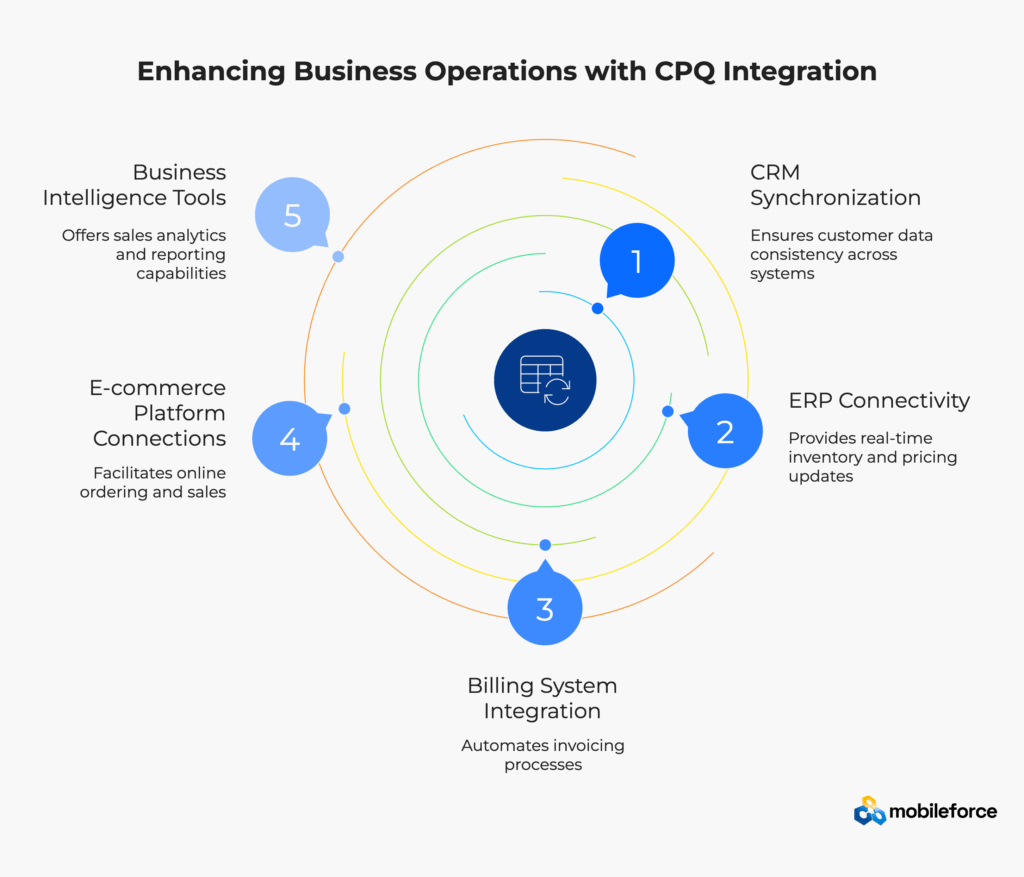
Legacy configure price quote systems often require extensive IT resources for maintenance, customization, and integration management, creating ongoing operational expenses that compound over time. As these systems age, the technical debt accumulates, making updates increasingly expensive and time-consuming while limiting business agility.
Hidden Legacy System Costs Include:
Organizations find themselves trapped in cycles of patch management and workaround development that consume resources without delivering business value or competitive advantage. On-premise CPQ systems are particularly vulnerable to these challenges, requiring dedicated infrastructure, specialized technical expertise, and significant upgrade investments to remain current with evolving business requirements.
Meanwhile, cloud-based configure price quote solutions receive automatic updates, security patches, and feature enhancements without requiring internal IT resources or system downtime. This difference in operational overhead can represent substantial cost savings over time, particularly for organizations with limited technical resources or complex product portfolios.
Companies using manual quote management processes or legacy CPQ software face increasing competitive pressure from organizations that have modernized their sales automation capabilities. When competitors can respond to quote requests in minutes while traditional processes take hours or days, the competitive disadvantage becomes measurable in lost deals and reduced market share.
Key Competitive Risks Include:
This speed differential is particularly problematic in industries where being first with an accurate quote significantly influences win rates and deal profitability. Industry research consistently shows that companies with modern CPQ capabilities outperform competitors in time-to-quote metrics, leading to higher close rates and increased market share in competitive situations.
The competitive impact extends beyond individual deals to strategic positioning. Organizations with modern sales automation capabilities can pursue complex opportunities that require sophisticated configuration options or pricing models that legacy systems cannot support effectively.
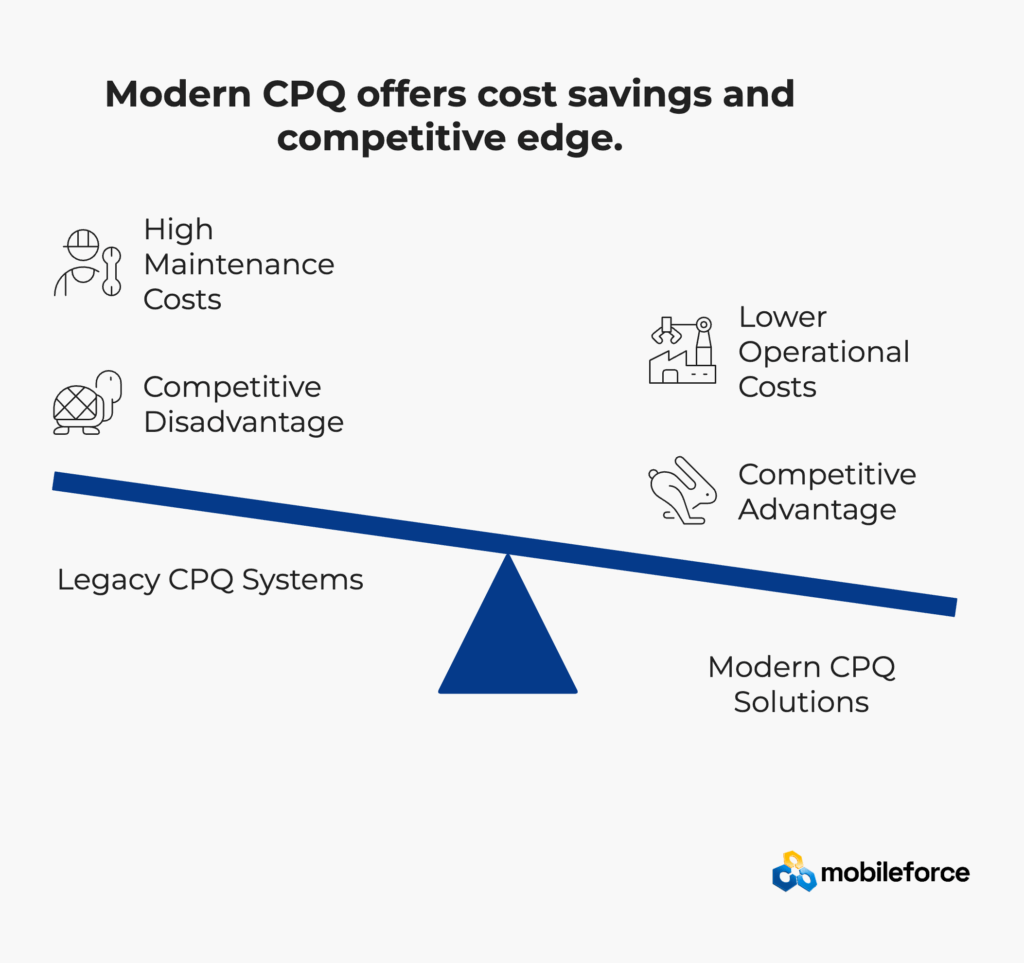
Manual quoting processes create multiple opportunities for revenue leakage through pricing errors, missed upselling opportunities, inconsistent discount applications, and suboptimal pricing strategies. Without automated governance and pricing optimization, sales teams may inadvertently offer pricing concessions that erode margins or fail to suggest complementary products that enhance deal value.
Common Revenue Leakage Sources Include:
Concerned about revenue leakage in your current quoting process? Explore our migration services to understand how modernization protects and enhances revenue streams.
The cumulative impact of these inefficiencies can be substantial, particularly in organizations with large sales teams or complex product portfolios. Companies often discover through CPQ implementation projects that systematic underpricing or missed cross-selling opportunities have cost them significant revenue over time, representing millions of dollars in lost profitability.
Modern enterprise CPQ platforms address these issues through automated pricing optimization, intelligent product recommendations, and comprehensive approval workflows that ensure every quote maximizes revenue potential while maintaining competitive positioning in target markets.
Legacy quoting systems create operational bottlenecks that limit growth potential and market expansion opportunities. As organizations scale their sales teams, add new product lines, or enter new geographic markets, manual processes become increasingly unmanageable and error-prone.
Scalability Challenges Include:
These limitations become particularly problematic for organizations pursuing aggressive growth strategies or expanding into new market segments with different customer requirements or competitive dynamics. The inability to quickly adapt pricing strategies or introduce new product offerings can result in missed market opportunities and reduced competitive responsiveness.
Deloitte’s research on pricing strategy demonstrates that strategic pricing initiatives can achieve 1-3% margin improvements that translate directly to bottom-line benefits. This research emphasizes the strategic importance of modern pricing technologies in competitive markets.
Interested in understanding the full investment picture? Review our comprehensive pricing structure for CPQ and revenue operations solutions.
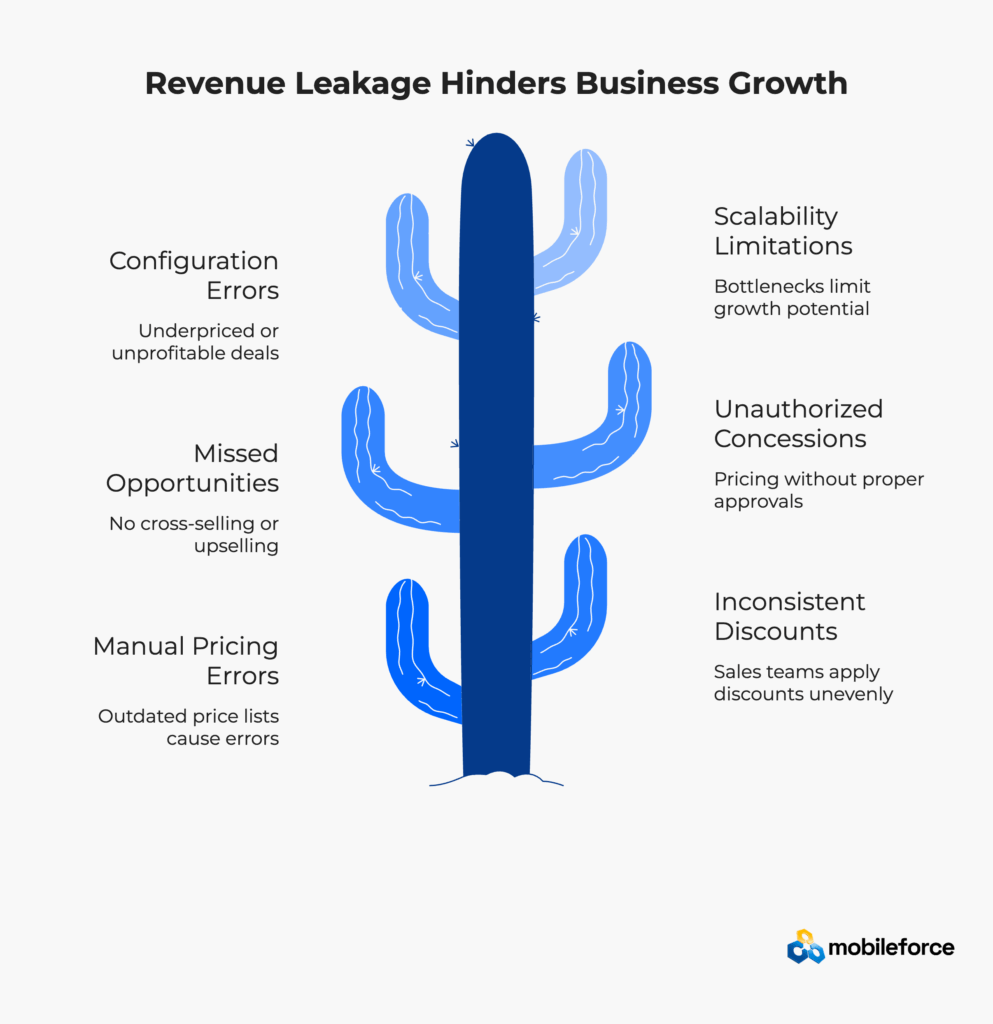
The subscription economy has evolved beyond software and media to encompass manufacturing, healthcare, professional services, and industrial equipment sectors. This fundamental shift requires sophisticated billing automation capabilities that can handle recurring revenue models, consumption-based pricing, and complex contract management scenarios.
Key Subscription Economy Trends Driving CPQ Demand:
According to industry research on subscription business trends, successful subscription businesses must balance customer acquisition with retention optimization while managing increasingly complex pricing structures and billing requirements. This complexity demands modern configure price quote platforms that can support multiple business models simultaneously while maintaining revenue recognition compliance and customer satisfaction.
Companies transitioning from traditional one-time sales to subscription models face particular challenges in maintaining revenue predictability while offering the pricing flexibility customers demand. Modern enterprise CPQ software addresses these challenges by providing sophisticated revenue recognition capabilities, automated billing processes, and flexible contract management tools that support evolving business models.
Artificial intelligence has evolved from experimental technology to practical business tool in CPQ applications, enabling organizations to optimize pricing strategies, automate complex configurations, and provide personalized customer experiences at scale. Modern configure price quote platforms leverage machine learning algorithms for dynamic pricing optimization, predictive analytics, and intelligent product recommendations.
AI-Powered CPQ Capabilities Include:
These AI capabilities enable CPQ platforms to learn from historical sales data, customer behavior patterns, competitive intelligence, and market conditions to suggest optimal pricing strategies and product configurations. Sales teams benefit from intelligent guidance that helps them configure solutions and set prices that maximize both deal probability and profitability while maintaining competitive positioning.
The integration of AI into quote management processes also enables organizations to identify trends, predict customer needs, and optimize their sales strategies based on data-driven insights rather than intuition or limited historical analysis.
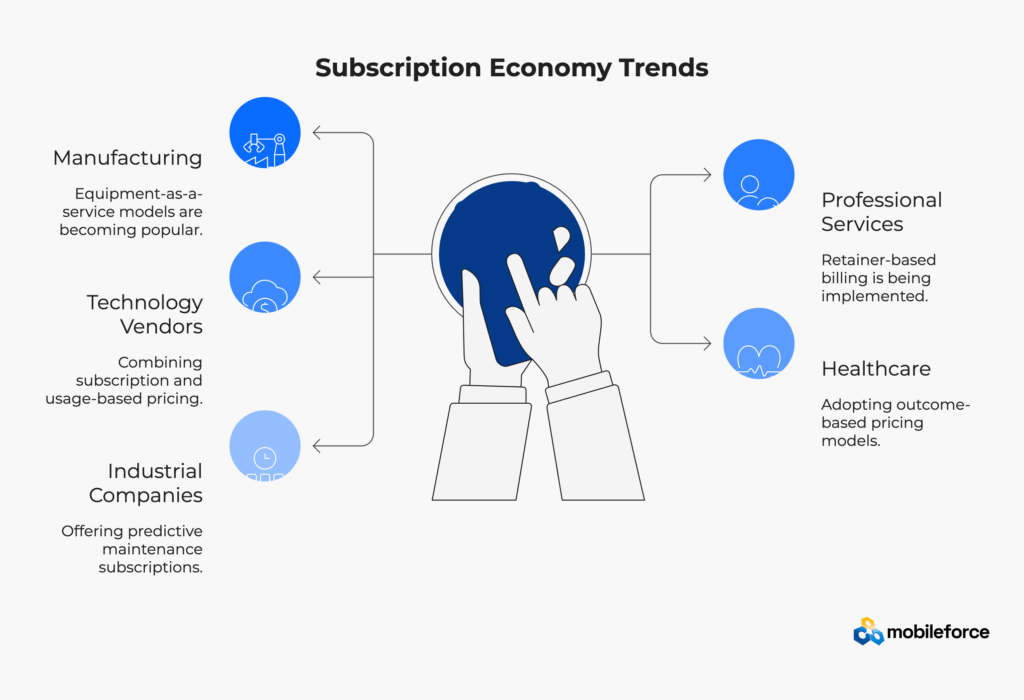
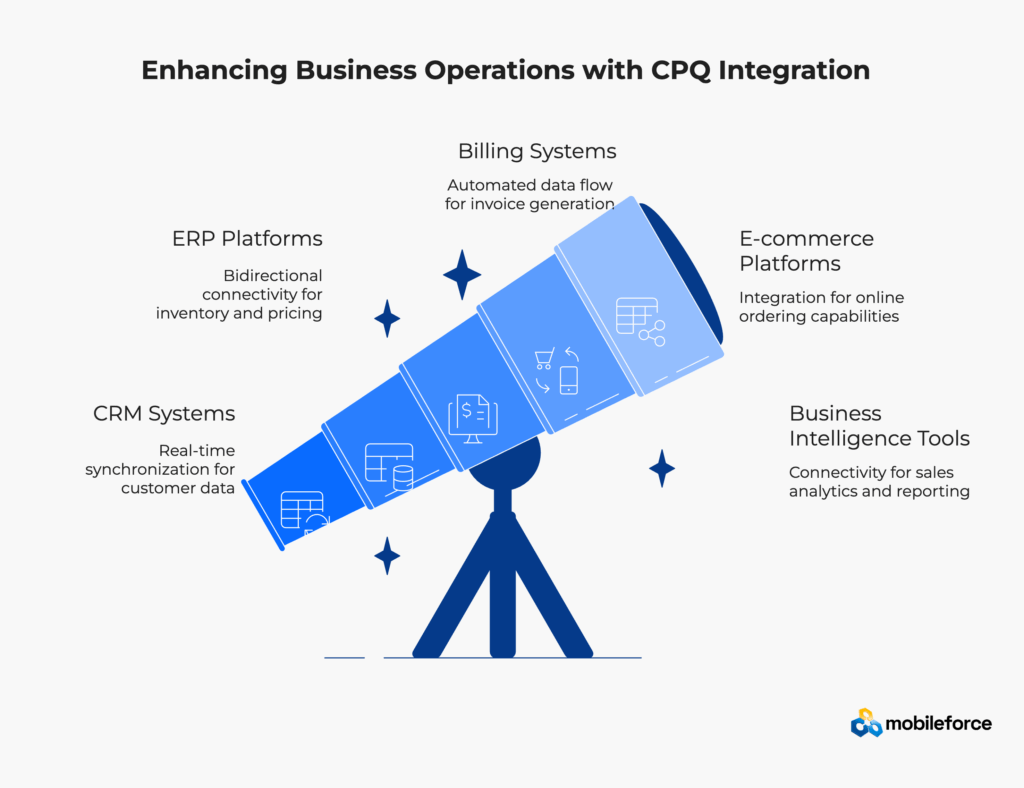
Today’s enterprise technology stacks are more interconnected than ever before, with organizations requiring seamless data flow between CRM systems, ERP platforms, billing automation solutions, e-commerce portals, and business intelligence tools. Modern configure price quote platforms must integrate seamlessly with these systems to deliver unified customer experiences and operational efficiency.
Critical Integration Requirements Include:
The maturation of API standards, integration platforms, and cloud connectivity has made these connections more reliable, secure, and maintainable than in previous technology generations. Companies can now implement comprehensive quote-to-cash workflows that span multiple systems without creating fragile technical dependencies or requiring extensive custom development.
Interested in seeing how integrated CPQ fits into your existing technology stack? Contact our solutions team to explore integration possibilities.
This integration capability enables organizations to eliminate data silos, reduce manual processes, and gain real-time visibility into their entire revenue operations while maintaining data consistency and accuracy across all business systems.
Harvard Business Review research on digital transformation reveals that while 89% of large companies globally have digital transformation underway, they have only captured 31% of the expected revenue lift and 25% of expected cost savings. This integration challenge extends directly to revenue operations and sales process effectiveness.
Need sophisticated document automation capabilities? Discover our document creation solutions that streamline proposal generation and contract management.
B2B buyers have fundamentally changed their expectations based on their experiences with consumer technology platforms and e-commerce solutions. They demand instant responses, transparent pricing, self-service capabilities, and personalized experiences that mirror their B2C purchasing behaviors.
Evolving B2B Buyer Expectations Include:
This expectation shift has created competitive pressure for organizations to modernize their sales processes and customer engagement strategies. Companies that continue to rely on manual processes, email-based communications, and traditional sales approaches risk losing deals to competitors who provide modern, digital-first experiences.
Modern enterprise CPQ platforms enable organizations to meet these expectations by providing self-service portals, real-time configuration tools, mobile access, and personalized experiences that align with customer preferences while maintaining the sophistication required for complex B2B transactions.
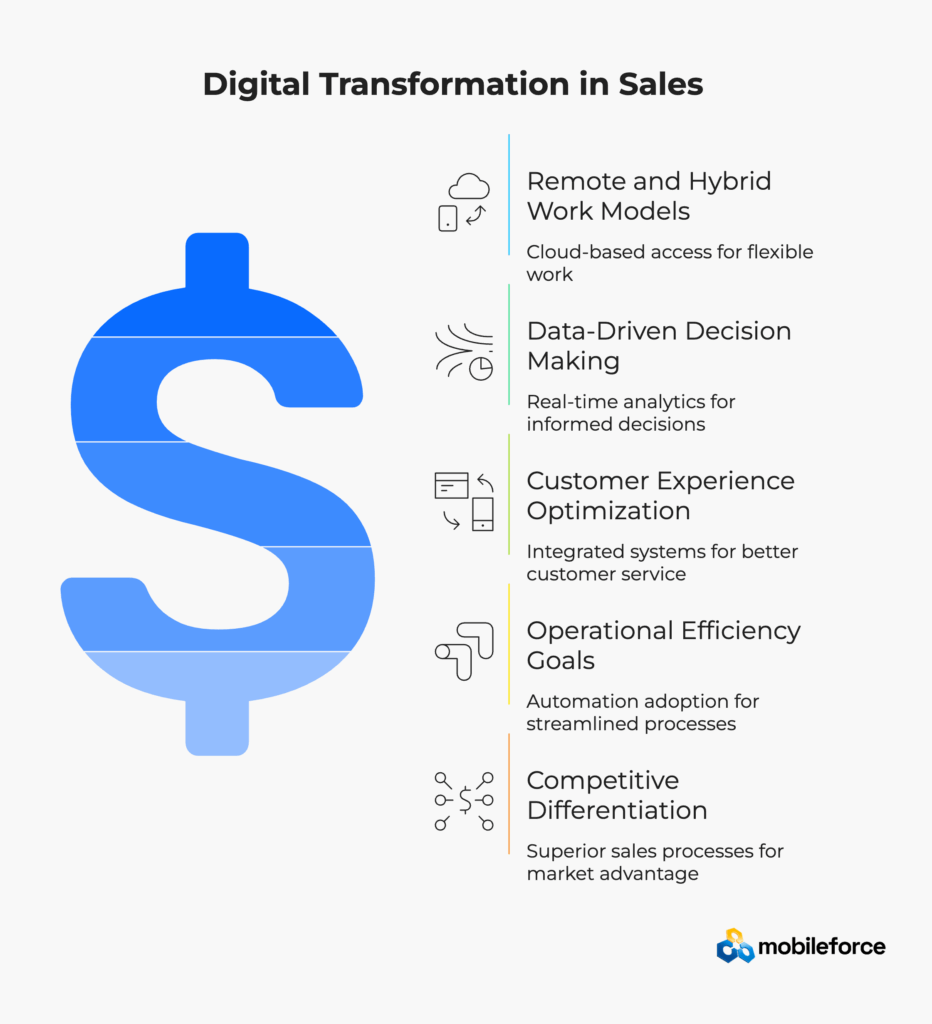
The acceleration of digital transformation initiatives across industries has created urgency around modernizing sales processes and revenue operations. Organizations recognize that manual processes, disconnected systems, and outdated technologies limit their ability to compete effectively in digital-first markets.
Digital Transformation Drivers in Sales Include:
This transformation extends beyond technology implementation to encompass process redesign, organizational change management, and skill development that enables organizations to leverage modern capabilities effectively. Companies investing in comprehensive sales automation strategies report significant improvements in productivity, customer satisfaction, and competitive positioning.
Metric | Current Value | Projected Growth | Key Driver |
Global Market Size | $3 billion (2024) | $10.8 billion by 2033 | Digital transformation |
Annual Growth Rate | 16.5-16.8% CAGR | Sustained through 2030 | Cloud adoption |
Cloud Market | $5.8 billion by 2026 | 16% year-over-year | Remote work needs |
Usage-Based Pricing | 73% plan adoption | By Q1 2026 | Customer demand |
Sales Cycle Reduction | 28% improvement | Immediate impact | Automation benefits |
Approval Time Savings | 95% reduction | Within 6 months | Workflow optimization |
Average ROI | 3.2x return | 12-18 months | Productivity gains |
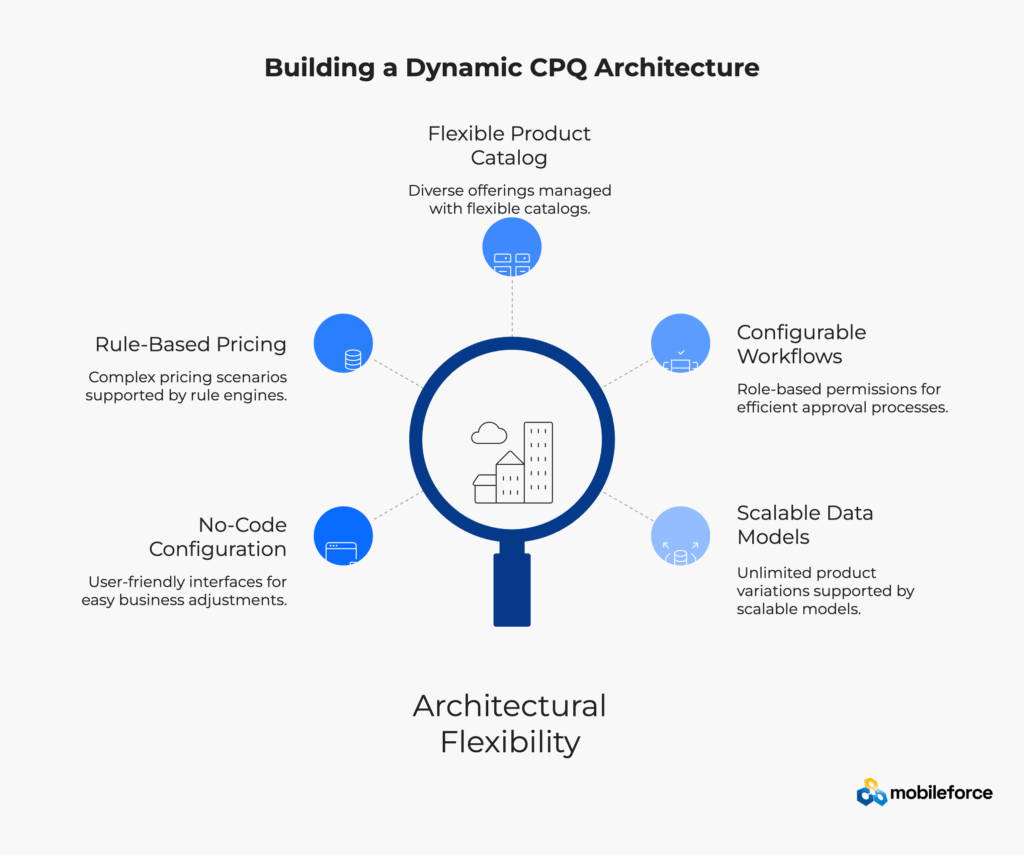
Modern enterprise CPQ platforms are built with configurability as a core design principle, enabling organizations to adapt to changing business requirements without requiring extensive custom development or system replacements. Rather than hardcoding specific business logic, these platforms provide sophisticated configuration engines that can accommodate diverse pricing models, product catalogs, and workflow requirements.
Key Architectural Advantages Include:
This architectural flexibility is essential for organizations experimenting with new pricing strategies, expanding into new markets with different commercial requirements, or adapting to changing customer expectations. Platforms like Mobileforce’s unified revenue operations solution enable companies to modify pricing structures, add new product categories, and adjust workflow rules through configuration rather than customization.
The configuration-first approach ensures that solutions remain maintainable and upgradeable over time while providing the flexibility needed to support business growth and market evolution. Organizations can implement changes quickly without extensive technical resources or lengthy implementation cycles.
Cloud-based configure price quote platforms offer inherent advantages in scalability, reliability, and cost management compared to on-premise alternatives. They can handle fluctuating demand without requiring infrastructure investments, while providing built-in redundancy, disaster recovery capabilities, and automatic scaling based on usage patterns.
Cloud Platform Benefits Include:
Organizations benefit from predictable operational costs and reduced IT overhead when they adopt cloud-based quote management solutions. The subscription-based pricing model for CPQ software aligns vendor incentives with customer success, encouraging ongoing innovation, feature development, and customer support.
Cloud platforms also enable organizations to leverage advanced technologies like artificial intelligence, machine learning, and real-time analytics without requiring specialized infrastructure or technical expertise. These capabilities are delivered as part of the platform services rather than requiring separate implementation projects.
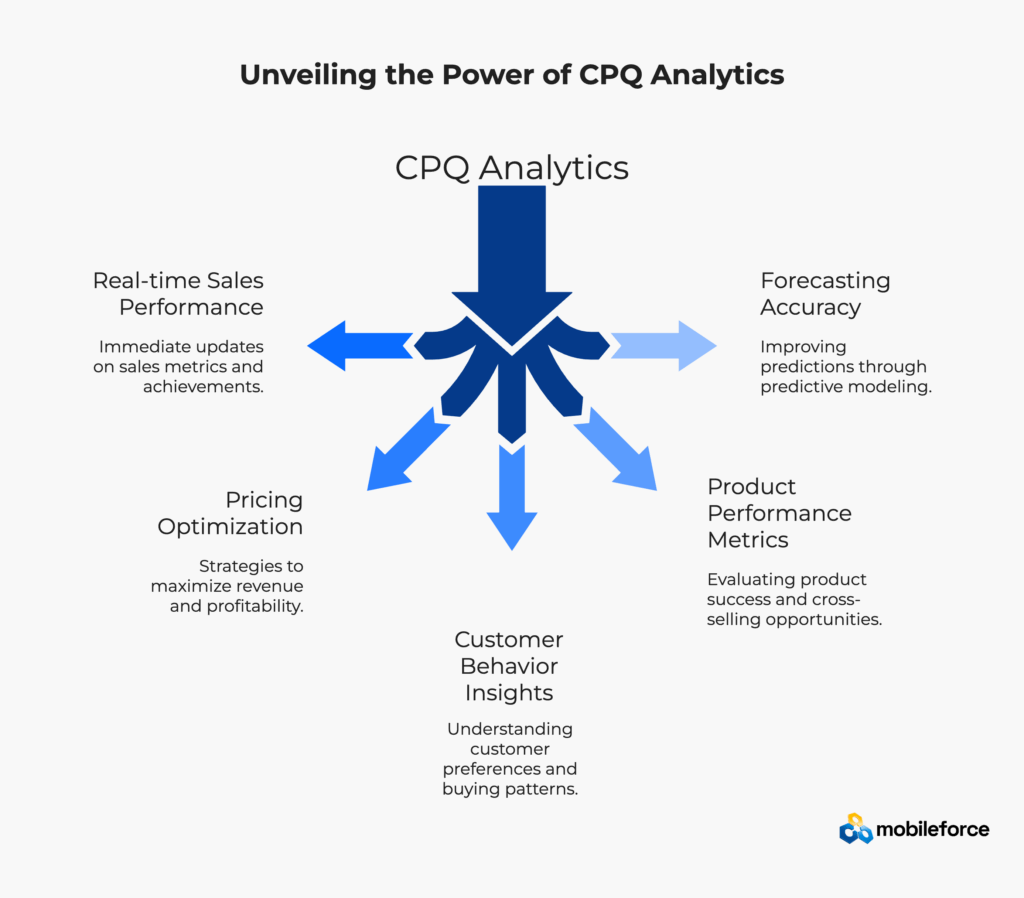
Modern configure price quote platforms include sophisticated analytics capabilities that provide insights into sales performance, pricing effectiveness, customer behavior, and market trends. These insights enable organizations to continuously optimize their commercial strategies based on actual performance data rather than assumptions or limited historical analysis.
Analytics Capabilities Include:
Sales managers can analyze win rates by product category, customer segment, and sales representative to identify patterns and optimization opportunities. Pricing teams can evaluate the effectiveness of different pricing strategies, discount structures, and promotional campaigns to maximize both revenue and profitability.
Ready to see how data-driven insights could transform your sales strategy? Explore our analytics capabilities designed for modern sales organizations.
The integration with business intelligence tools and data platforms enables organizations to combine CPQ data with information from other business systems to gain comprehensive insights into their revenue operations and customer relationships.
Artificial intelligence integration in modern CPQ platforms goes beyond basic automation to provide intelligent guidance for pricing decisions, product configurations, and customer engagement strategies. Machine learning algorithms analyze historical sales data, customer behavior patterns, competitive intelligence, and market conditions to provide actionable recommendations.
AI-Enhanced Capabilities Include:
These AI capabilities enable sales teams to make better decisions faster while ensuring that pricing strategies align with business objectives and market realities. The system learns from successful deals and customer interactions to continuously improve its recommendations and guidance.
The integration of natural language processing capabilities also enables more intuitive user interfaces and automated communication generation, reducing the time required for quote preparation and customer correspondence while maintaining personalization and accuracy.
Research from Forrester on revenue orchestration platforms shows that B2B go-to-market teams are increasingly leveraging AI to enhance frontline productivity and buyer interactions. These integrated platforms streamline user experience and revenue processes, directly translating to competitive advantage in complex selling environments.
Looking to enhance your contract management processes? Explore our contract lifecycle management capabilities that integrate with CPQ workflows.
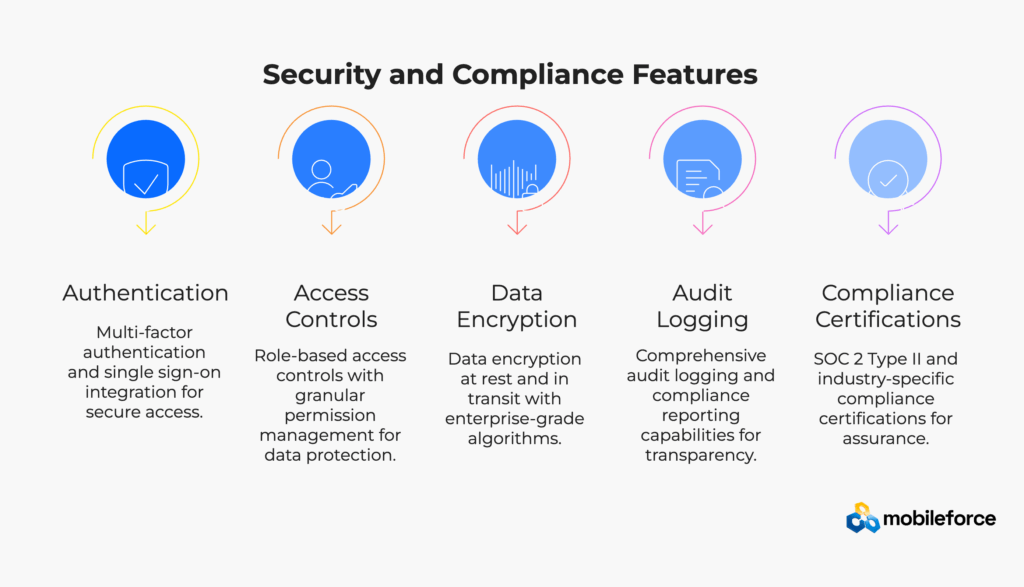
Modern cloud-based CPQ platforms implement comprehensive security frameworks that exceed the capabilities of most on-premise alternatives. They provide enterprise-grade security controls, compliance certifications, and audit capabilities that address the requirements of regulated industries and security-conscious organizations.
Security and Compliance Features Include:
Organizations can implement sophisticated security policies that control access to sensitive pricing information, customer data, and configuration details while maintaining the flexibility needed for effective sales operations. The platforms provide detailed audit trails that support compliance requirements and internal governance processes.
Regular security assessments, penetration testing, and compliance audits ensure that platforms maintain the highest security standards while adapting to evolving threats and regulatory requirements.
Feature Category | Core Capability | Advanced Features | Business Value |
Configuration Engine | Product rules management | AI-powered recommendations | Accurate quoting |
Pricing Optimization | Dynamic pricing rules | ML-based price suggestions | Margin protection |
Workflow Automation | Approval routing | Smart escalation paths | Faster processing |
Integration Hub | CRM/ERP connectivity | Real-time synchronization | Data consistency |
Analytics Platform | Standard reporting | Predictive insights | Data-driven decisions |
Mobile Access | Responsive design | Offline capabilities | Sales productivity |
Security Framework | Role-based access | Enterprise compliance | Risk mitigation |
Scalability | Cloud infrastructure | Auto-scaling | Growth support |
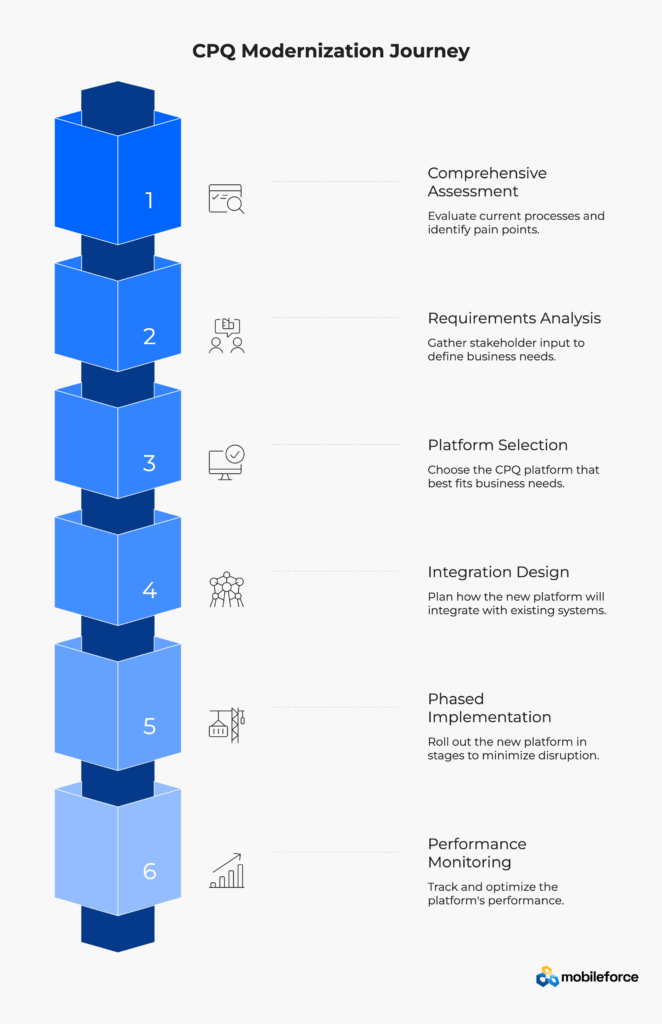
Successful CPQ modernization begins with thorough assessment of current processes, pain points, and business requirements that will guide platform selection and implementation strategy. Organizations should evaluate their existing technology stack, sales workflows, integration needs, and performance baselines before selecting an enterprise CPQ solution.
Critical Assessment Areas Include:
This assessment should include detailed analysis of current quote volumes, complexity levels, approval processes, and performance metrics across different product lines and customer segments. Understanding baseline performance enables organizations to set realistic improvement goals and measure ROI accurately throughout the implementation process.
The requirements gathering phase should involve stakeholders from sales, operations, finance, and IT to ensure that the selected CPQ platform addresses all business needs while integrating effectively with existing systems and processes.
Readiness Area | Key Requirements | Status Check | Success Criteria |
Business Case | ROI justification, stakeholder buy-in | ✓ Executive approval secured | Clear business objectives defined |
Data Quality | Clean pricing data, product catalogs | ✓ Data audit completed | <5% data inconsistencies |
Technical Infrastructure | Integration endpoints, security protocols | ✓ IT requirements mapped | All systems connectivity verified |
Team Resources | Project manager, subject matter experts | ✓ Dedicated team assigned | 50%+ time allocation confirmed |
Change Management | Training plan, communication strategy | ✓ Change plan developed | User adoption strategy in place |
Success Metrics | KPIs defined, baseline measurements | ✓ Metrics framework established | Before/after comparison possible |
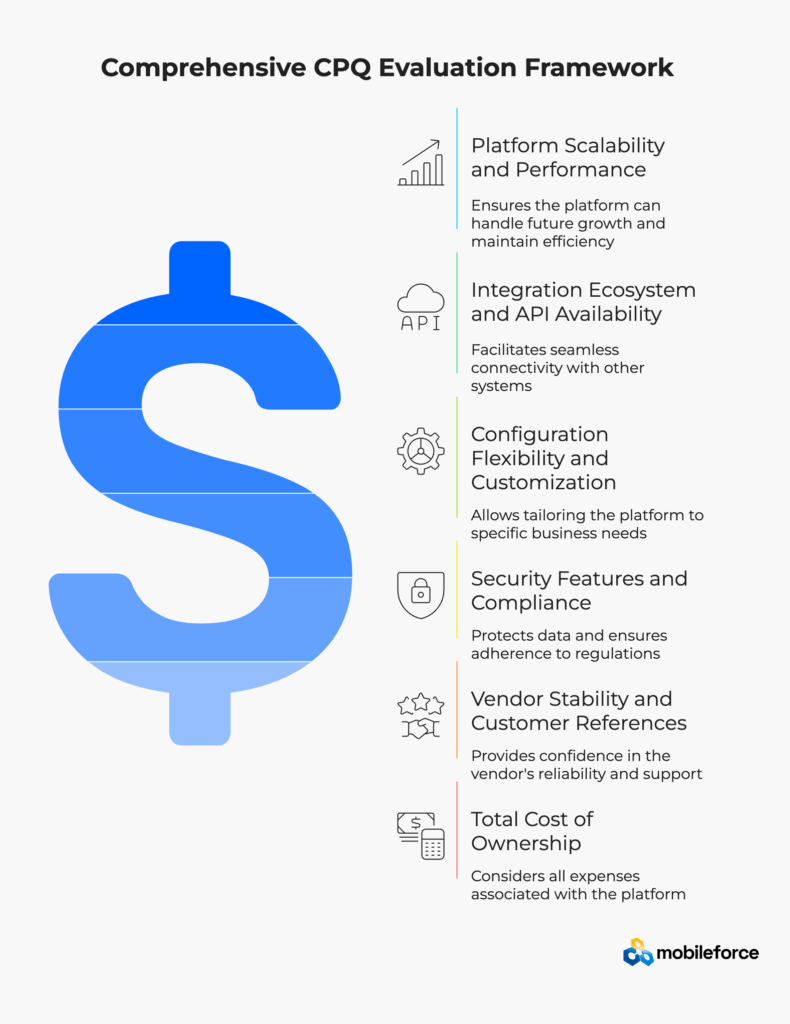
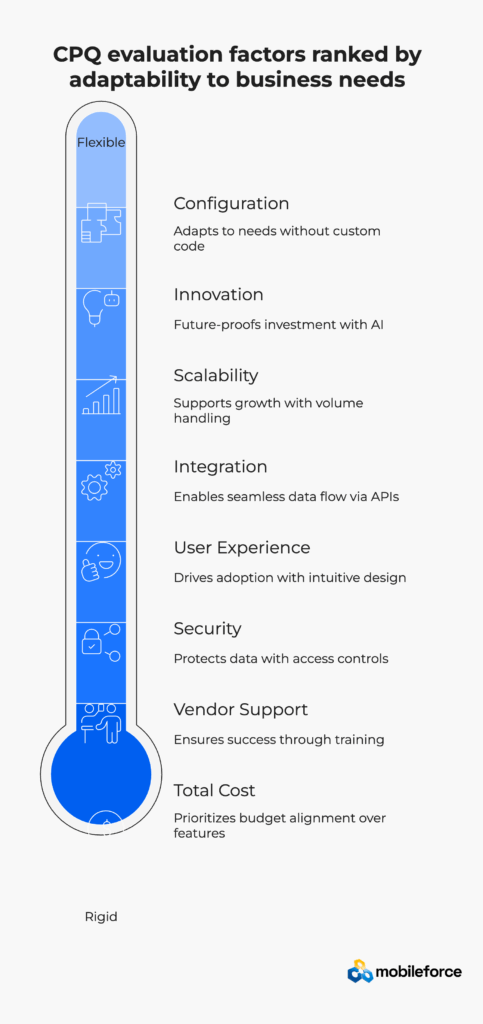
Platform selection should prioritize alignment with long-term business strategy rather than just current operational requirements. Organizations should evaluate configure price quote vendors based on their ability to support evolving business models, provide reliable system integrations, deliver ongoing innovation, and offer comprehensive support throughout the implementation lifecycle.
Key Evaluation Criteria Include:
Planning your CPQ modernization journey? Learn about our proven implementation methodology that minimizes risk while maximizing business value.
The evaluation process should include detailed vendor demonstrations using real business scenarios, reference customer interviews, and technical architecture reviews to ensure that the selected platform can deliver the expected benefits while meeting security and integration requirements.
Organizations should also consider total cost of ownership including implementation services, ongoing maintenance, user licensing, and future expansion costs when making platform decisions.
According to Accenture research on digital core investments, organizations with advanced digital core capabilities achieve 60% higher revenue growth rates and 40% higher profits compared to their peers. These benefits apply directly to CPQ modernization initiatives.
Ready to experience modern CPQ capabilities firsthand? Start your free trial to explore how advanced quoting tools work in practice.
Integration design requires careful coordination between sales, IT, and operations teams to ensure that new CPQ workflows support business objectives while minimizing disruption to ongoing operations. The technical architecture should address data synchronization, security requirements, performance optimization, and scalability considerations.
Integration Planning Components:
The integration architecture should prioritize data consistency, real-time synchronization, and error handling to ensure reliable operations. Organizations should also plan for data migration, user access management, and backup/recovery procedures as part of the technical implementation.
Security considerations include access controls, data encryption, audit logging, and compliance with industry regulations and internal governance policies throughout the integrated system landscape.
Most organizations benefit from phased implementation approaches that allow for learning and adjustment throughout the deployment process. Starting with specific product lines, customer segments, or geographic regions enables teams to refine processes and validate benefits before full-scale deployment.
Recommended Implementation Phases:
Change management is often the most challenging aspect of CPQ implementation, requiring comprehensive communication, training, and support programs. Sales teams must adapt to new processes while maintaining performance, which requires careful planning and ongoing support from both management and technical teams.
Training programs should address both system functionality and business process changes, with different curricula for various user roles including sales representatives, sales managers, operations staff, and administrators.
PwC research on change management shows that organizations with structured change management approaches are six times more likely to achieve their transformation objectives. This research underscores the critical importance of comprehensive training and support programs during CPQ implementations.
Considering working with implementation partners? Explore our partner program designed to support successful CPQ deployments.
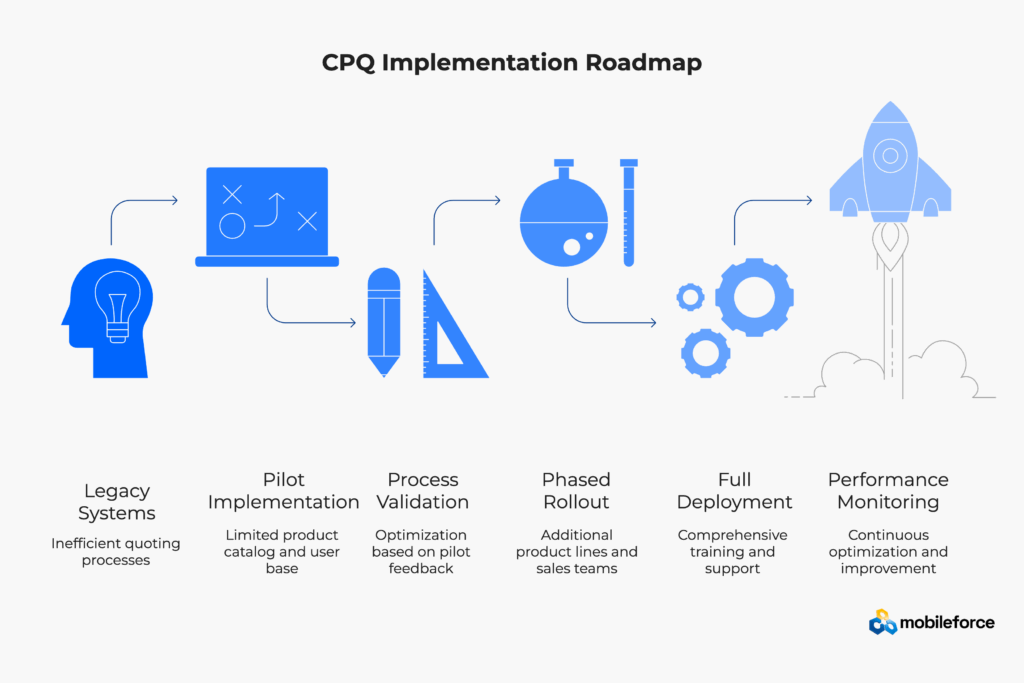
Post-implementation success requires systematic monitoring of key performance indicators including quote response time, sales cycle duration, win rates, margin consistency, and customer satisfaction scores. Organizations should establish baseline measurements and track improvement over time while identifying additional optimization opportunities.
Critical Success Metrics Include:
Regular optimization reviews enable organizations to refine processes, adjust system configurations, and incorporate feedback from sales teams and customers. This iterative approach ensures that CPQ platforms deliver ongoing value as business requirements evolve and market conditions change.
Organizations should also monitor system performance, user adoption rates, and integration reliability to identify technical issues or training needs that may impact business results. Continuous improvement processes help maximize the return on CPQ investments while maintaining competitive advantages.
Implementation Phase | Duration | Key Activities | Success Metrics | Deliverables |
Assessment & Planning | 2-4 weeks | Requirements gathering, stakeholder alignment | Clear requirements document | Business case, roadmap |
Platform Selection | 3-6 weeks | Vendor evaluation, demos, references | Vendor decision with criteria | Platform selection report |
Integration Design | 2-4 weeks | Architecture planning, data mapping | Technical specifications | Integration blueprint |
Configuration & Testing | 4-8 weeks | Platform setup, workflow configuration | User acceptance testing | Configured system |
Training & Deployment | 2-4 weeks | User training, change management | Adoption rate metrics | Go-live readiness |
Optimization | Ongoing | Performance monitoring, refinement | KPI improvements | Continuous enhancement |
Consider a industrial equipment manufacturer managing 400+ configurable products with complex pricing matrices, technical compatibility requirements, and channel partner pricing variations. Traditional quoting processes required engineering involvement for every custom configuration, creating significant bottlenecks that extended sales cycles to 30+ days and limited market responsiveness.
Implementation Results:
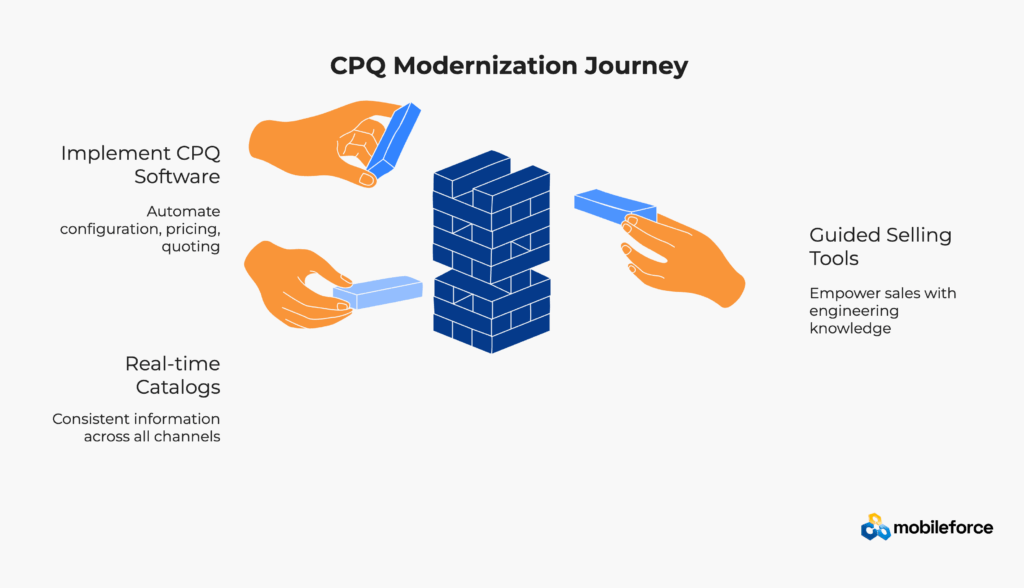
After implementing modern configure price quote software, the company automated 80% of its quote generation while maintaining technical accuracy and compatibility validation. Sales teams can now configure complex equipment independently using guided selling tools that incorporate engineering knowledge into automated business rules.
The transformation enabled the organization to distribute consistent sales catalogs to all channels in real-time, improve dealer self-service capabilities, and increase average revenue per order through intelligent product recommendations and cross-selling automation.
A global consulting firm historically relied on project-based billing but wanted to introduce subscription retainer models to improve revenue predictability and client relationships. Their legacy systems couldn’t handle the complexity of mixed billing models within single client relationships or support sophisticated revenue recognition requirements.
Business Model Transformation Achieved:
Modern enterprise CPQ software enabled the transition by supporting multiple pricing structures simultaneously, including hourly rates, retainer fees, success-based pricing, and subscription models within unified client agreements. The firm now offers flexible arrangements that align payment structures with value delivery while maintaining profitability.
The integration with time tracking, resource planning, and billing systems created seamless workflows from initial proposal through service delivery and invoicing, improving both operational efficiency and client experience quality.
A software company with 200+ employees struggled with disconnected systems requiring manual data entry between sales, billing, and customer success platforms. This inefficiency created pricing errors, billing delays, customer frustration, and limited visibility into customer lifecycle metrics.
Integration Transformation Results:
Want to see how these transformations apply to your specific industry? Explore our industry-specific solutions tailored to unique business requirements.
Implementing integrated quote-to-cash workflows created seamless data flow from initial customer inquiry through contract renewal, eliminating manual processes while providing comprehensive analytics and reporting capabilities. The automation enabled the sales team to focus on customer engagement rather than administrative tasks while improving data accuracy and customer experience.
The unified platform also provided customer success teams with complete visibility into customer usage patterns, contract terms, and renewal opportunities, enabling proactive engagement and improved retention rates.
A major European telecommunications company operating across multiple markets faced challenges with complex product bundling, promotional pricing, and channel management across different countries and regulatory environments.
Enterprise-Scale Implementation Outcomes:
The implementation required sophisticated configuration capabilities to handle telecommunications product complexity including voice plans, data services, equipment bundles, and business services across different regulatory environments and competitive markets.
Modern CPQ platforms enabled the organization to standardize pricing processes while maintaining local market flexibility, improve channel partner capabilities, and accelerate new product introductions while ensuring regulatory compliance and margin protection.
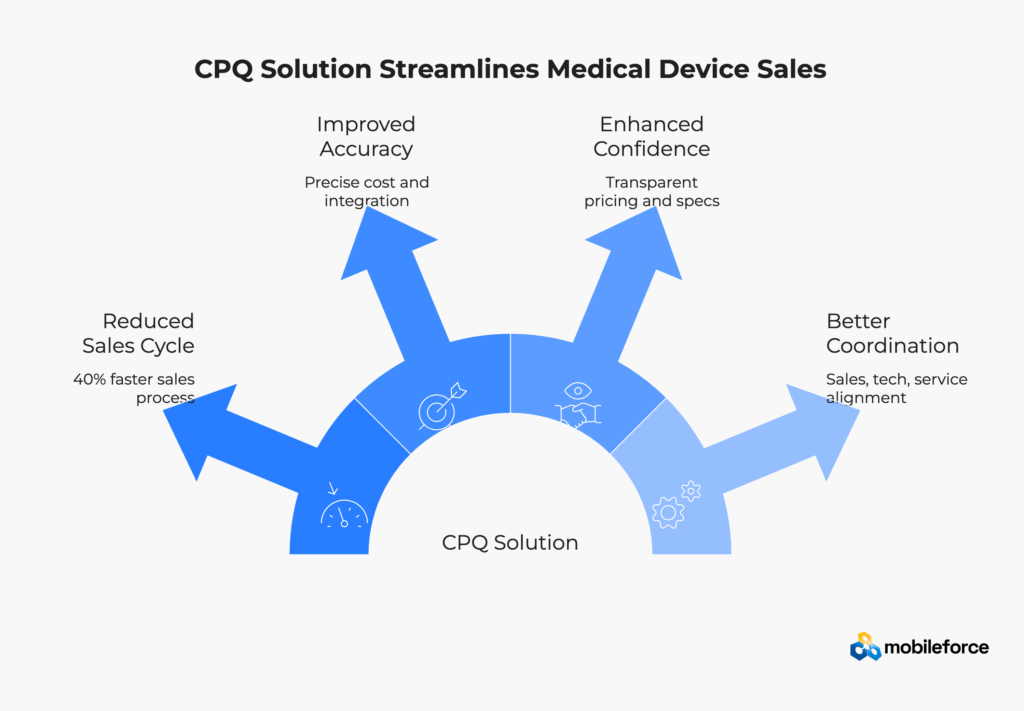
A medical device manufacturer selling complex diagnostic equipment faced challenges with lengthy sales cycles due to regulatory requirements, technical specifications, and integration complexity with existing healthcare facility infrastructure.
Specialized Industry Results:
The configure price quote solution incorporated medical device regulations, technical compatibility requirements, and installation complexity factors into automated workflows that guide both sales teams and customers through complex decision-making processes.
The platform also integrated with regulatory databases and technical specification libraries to ensure accurate compliance documentation and installation planning, reducing delays and improving customer satisfaction in highly regulated healthcare environments.
Industry | Primary Challenges | CPQ Solutions | Typical Results |
Manufacturing | Complex configurations, engineering bottlenecks | Automated product rules, guided selling | 40% cycle reduction, 95% automation |
Technology/SaaS | Subscription complexity, integration needs | Multi-model billing, API connectivity | 25% productivity gain, seamless workflows |
Professional Services | Mixed billing models, resource planning | Hybrid pricing, project integration | 35% revenue predictability improvement |
Telecommunications | Regulatory complexity, bundle management | Compliance automation, product bundling | 50% faster time-to-market |
Healthcare | Compliance requirements, technical specs | Regulatory integration, validation workflows | 40% sales cycle reduction |
Industrial Equipment | Technical compatibility, dealer networks | Configuration validation, channel enablement | 60% dealer self-service adoption |
Organizations implementing modern CPQ platforms typically observe measurable improvements in multiple financial metrics. Industry research indicates that companies achieve average ROI of 3.2x within 18 months of implementation.
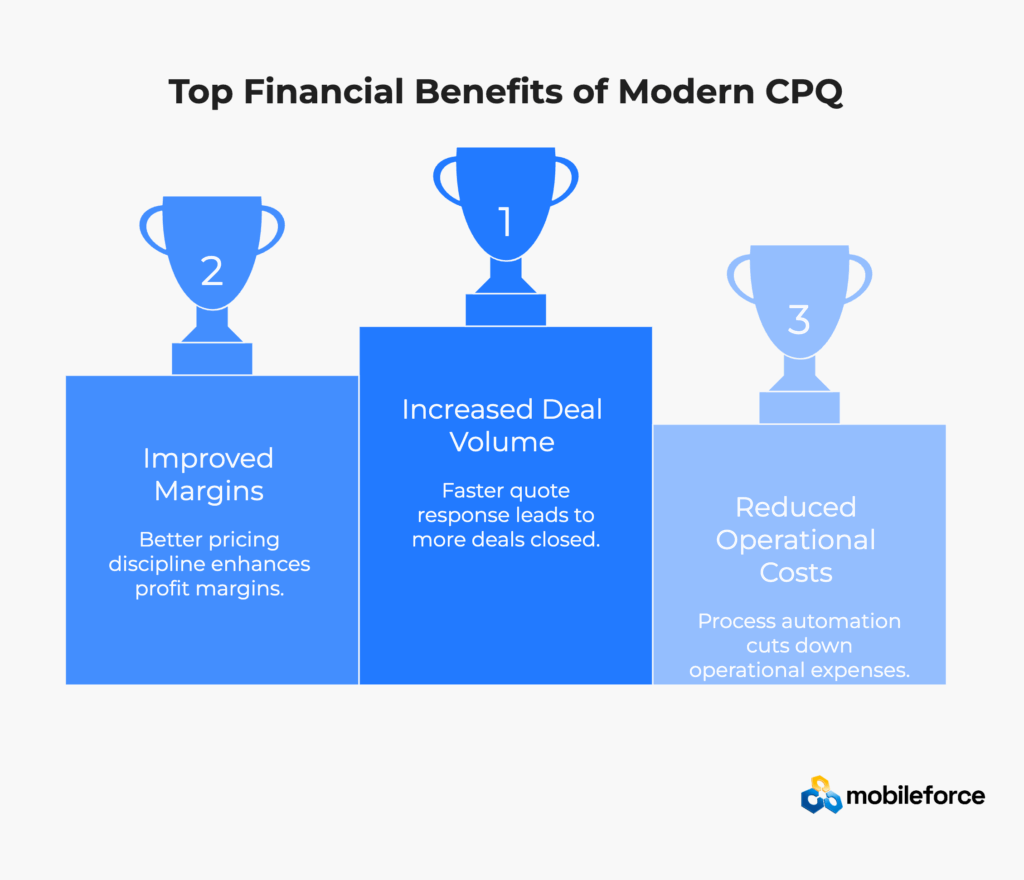
Key financial benefits include increased deal volume through faster quote response, improved margins through better pricing discipline, and reduced operational costs through process automation. These benefits compound over time as organizations optimize their use of platform capabilities.
MIT Sloan research on real-time businesses demonstrates that top-quartile companies with integrated revenue technology stacks achieve 62% higher revenue growth and 97% higher profit margins compared to bottom-quartile performers. This research validates the strategic importance of comprehensive CPQ implementations.
ROI Category | Measurement | Typical Improvement | Timeline to Achieve |
Sales Efficiency | Quote generation time | 70-80% reduction | 3-6 months |
Deal Velocity | Sales cycle duration | 25-35% faster | 6-12 months |
Revenue Growth | Deal volume increase | 15-25% improvement | 12-18 months |
Margin Protection | Pricing accuracy | 90%+ error reduction | Immediate |
Cost Reduction | Operational expenses | 20-30% savings | 6-18 months |
Customer Satisfaction | Experience scores | 18-25% improvement | 3-12 months |
Team Productivity | Administrative time | 40-50% reduction | 3-6 months |
Overall ROI | Financial return | 3.2x average | 12-24 months |
Beyond direct financial returns, modern CPQ platforms deliver significant operational improvements. Sales teams spend less time on administrative tasks and more time engaging with customers. IT departments reduce support overhead while gaining better visibility into sales processes.
Customer satisfaction typically improves due to faster response times, more accurate quotes, and better overall experience quality. These improvements contribute to customer retention and referral generation that enhance long-term business value.
Perhaps most importantly, CPQ modernization provides strategic advantages that compound over time. Organizations with superior quoting capabilities can pursue opportunities that competitors cannot address effectively.
The ability to rapidly introduce new pricing models, enter new markets, or respond to competitive threats provides ongoing strategic value that extends far beyond initial implementation costs.
Understanding the financial impact of configure price quote modernization helps organizations make informed investment decisions and set realistic expectations for returns.
Investment Category | Typical Cost Range | Expected ROI Timeline | Key Benefits |
Enterprise CPQ Software | $50K-$500K annually | 12-18 months | Automated quoting, pricing optimization |
Implementation Services | $25K-$200K one-time | 6-12 months | Faster deployment, reduced risk |
Training and Change Management | $10K-$50K one-time | 3-6 months | User adoption, productivity gains |
Integration Development | $15K-$100K one-time | 6-18 months | Seamless workflows, data consistency |
Ongoing Support and Maintenance | Included in software cost | Continuous | Platform optimization, feature updates |
Capability | Legacy/Manual Systems | Modern Cloud CPQ Platforms |
Quote Generation Time | Hours to days | Minutes to hours |
Pricing Accuracy | Manual errors common | Automated validation |
Integration Capabilities | Limited, manual processes | Seamless, real-time sync |
Scalability | Requires proportional resources | Automatic scaling |
Mobility Support | Desktop-bound | Mobile-optimized access |
Analytics and Reporting | Basic, manual compilation | Real-time, AI-powered insights |
Security and Compliance | Variable, manual updates | Enterprise-grade, automatic |
Total Cost of Ownership | High due to maintenance | Predictable subscription model |
Evaluation Factor | What to Assess | Why It Matters | Key Questions |
Scalability | User capacity, quote volume handling | Supports business growth | Can it handle 10x current volume? |
Integration | API availability, pre-built connectors | Seamless data flow | Does it connect to our existing systems? |
Configuration | Flexibility, rule complexity | Adapts to business needs | Can we modify without custom code? |
Security | Compliance certifications, access controls | Protects sensitive data | Does it meet our compliance requirements? |
User Experience | Interface design, mobile access | Drives adoption | Will our sales team actually use it? |
Vendor Support | Implementation services, ongoing support | Ensures success | What training and support is included? |
Total Cost | Licensing, implementation, maintenance | Budget alignment | What’s the true cost over 3 years? |
Innovation | Product roadmap, AI capabilities | Future-proofs investment | How will it evolve with our needs? |
Most enterprise organizations complete configure price quote implementations within 3-6 months, depending on system complexity, integration requirements, and organizational readiness. Phased approaches can deliver measurable value in as little as 6-8 weeks for initial product lines, with full deployment following iteratively.
Typical Implementation Timeline:
The key to successful implementation is starting with clear business requirements and realistic scope definition. Organizations that attempt to replicate every aspect of existing processes simultaneously often experience delays and complications that extend timelines unnecessarily.
Enterprise CPQ software pricing varies significantly based on user count, feature requirements, integration complexity, and deployment model. Cloud-based solutions typically range from $100-300 per user per month, while enterprise licenses can range from $50,000-500,000 annually depending on organization size and requirements.
Key Pricing Factors Include:
Organizations should consider total cost of ownership including implementation services, training, ongoing maintenance, and future expansion costs when evaluating CPQ investment. The business value and ROI typically justify the investment through improved sales productivity, margin protection, and operational efficiency gains.
Successful CPQ adoption requires comprehensive change management that includes early involvement of sales leadership, thorough training programs, ongoing support during transition periods, and clear communication of benefits to end users. Sales teams are more likely to embrace new systems when they clearly understand the value proposition and receive adequate support.
Adoption Success Strategies:
Consider implementing pilot programs with influential sales team members who can serve as advocates and provide feedback during the broader rollout. Sales teams should see immediate benefits in terms of reduced administrative work, improved quote quality, and enhanced customer interactions.
Modern enterprise CPQ platforms are designed for flexibility and can typically accommodate complex pricing structures through configuration rather than customization. This includes multi-tier pricing, volume discounts, partner channel pricing, subscription models, usage-based billing, and hybrid pricing arrangements.
Supported Pricing Complexity Includes:
Most platforms provide extensive configuration capabilities that can address unique industry requirements without requiring custom development. This configurability ensures that solutions remain maintainable and upgradeable over time while supporting specific business needs.
Industries with specialized requirements such as manufacturing, healthcare, telecommunications, and professional services often have specific configuration templates and best practices available from experienced vendors.
Integration challenges typically center around data quality, workflow alignment, user access management, and maintaining data consistency across multiple systems. Organizations should audit their data sources before implementation and establish clear governance processes for ongoing data management and system synchronization.
Common Integration Considerations:
Most modern configure price quote platforms provide pre-built connectors for popular CRM and ERP systems, reducing integration complexity and implementation time. However, organizations with highly customized existing systems may require additional integration development or data transformation services.
Working with experienced implementation partners can help organizations navigate integration complexity while ensuring that business requirements are met and system performance is optimized.
Key performance indicators should include both leading indicators such as quote response time and quote volume, and lagging indicators such as closed deals, revenue growth, and customer satisfaction. Organizations should establish baseline measurements before implementation to track improvement accurately and calculate ROI.
Critical Success Metrics Include:
Typical ROI Measurements:
Organizations typically achieve 3.2x return on investment within 18 months of implementation, with benefits continuing to compound over time as teams optimize their use of platform capabilities and market conditions evolve.
Cloud-based configure price quote platforms require minimal internal maintenance while providing automatic updates, security patches, and feature enhancements without requiring IT resources or system downtime. Organizations typically need to focus on business rule maintenance, user training, and process optimization rather than technical system management.
Ongoing Requirements Include:
Most enterprise CPQ vendors provide comprehensive support that includes regular business reviews, optimization recommendations, access to product roadmaps, and technical support for any issues or questions. This partnership approach ensures that platforms continue delivering value as business requirements evolve.
Organizations should also plan for periodic reviews of their configuration, integration performance, and user adoption to identify additional optimization opportunities and ensure they’re maximizing their platform investment.
Cloud-based configure price quote platforms enable remote access through standard web browsers and mobile applications, providing full functionality regardless of location or device. This capability has become essential for organizations supporting distributed sales teams, remote work arrangements, and field sales activities.
Remote Work Enablement Features:
Mobile-optimized interfaces enable sales teams to generate quotes, access customer information, and collaborate with colleagues during customer meetings or while traveling. Real-time synchronization ensures that all team members have access to the most current information regardless of their location or working environment.
The platforms also provide audit trails and visibility that enable sales managers to monitor team performance and provide support to remote team members while maintaining security and compliance requirements.
Enterprise-grade CPQ platforms include comprehensive security frameworks including encryption, access controls, audit logging, and compliance certifications that often exceed the security capabilities of on-premise alternatives. Many cloud-based solutions provide better security than internal alternatives due to their focus on security and regular updates.
Essential Security Features:
Organizations should evaluate vendor security credentials, including certifications such as SOC 2 Type II, ISO 27001, and compliance with relevant industry standards such as GDPR, HIPAA, or SOX depending on their regulatory requirements.
Regular security reviews, access audits, and monitoring of user activity help ensure ongoing protection of sensitive pricing information, customer data, and business intelligence while maintaining operational efficiency and user productivity.